Introduction
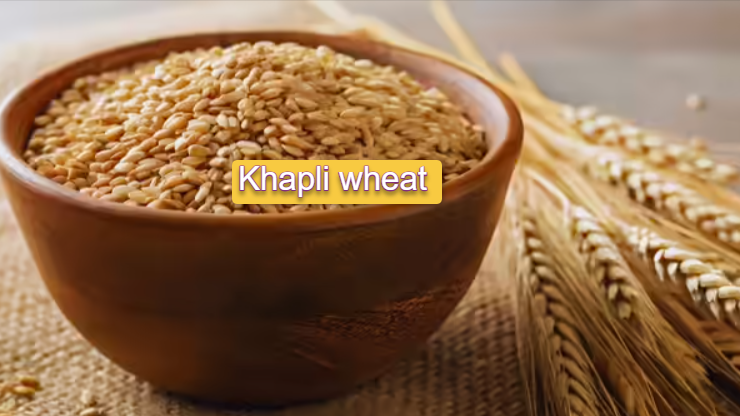
Khapli wheat, also known as Emmer wheat, is one of the oldest varieties of wheat cultivated by humans. It has been grown for thousands of years and is now becoming popular again due to its nutritional benefits and traditional farming methods. Many health-conscious people are choosing Khapli wheat as an alternative to modern wheat because it is rich in fiber, protein, vitamins, and minerals.
What Is Khapli Wheat?
Khapli wheat is an ancient grain that belongs to the wheat family. It is primarily grown in parts of India, especially Maharashtra and Karnataka. Unlike modern hybrid wheat varieties, Khapli wheat has a unique genetic structure that makes it easier for some people to digest.
The grain has a slightly nutty flavor and is commonly used to make chapatis, bread, pasta, and other baked products.
Nutritional Value of Khapli Wheat
Khapli wheat contains several important nutrients, including:
- Dietary fiber
- Protein
- Iron
- Magnesium
- Zinc
- Vitamin B complex
- Antioxidants
Its high fiber content helps support digestion and may promote better gut health.
Benefits of Khapli Wheat
1. Supports Digestive Health
The high fiber content in Khapli wheat helps regulate bowel movements and supports a healthy digestive system.
2. May Help Manage Blood Sugar
Khapli wheat has a relatively lower glycemic index compared to some modern wheat varieties. This means it may help maintain stable blood sugar levels when consumed as part of a balanced diet.
3. Rich in Protein
Protein is essential for muscle growth and repair. Khapli wheat provides a good amount of plant-based protein.
4. Promotes Heart Health
The presence of antioxidants and fiber may contribute to better cardiovascular health by supporting healthy cholesterol levels.
5. Nutrient Dense
Khapli wheat offers essential minerals and vitamins that contribute to overall wellness.
How to Use Khapli Wheat
Khapli wheat can be used in various ways:
- Making chapatis and rotis
- Baking bread
- Preparing pasta
- Cooking porridge
- Making healthy desserts
Many households replace regular wheat flour with Khapli wheat flour for added nutrition.
Conclusion
Khapli wheat is a nutritious ancient grain that combines traditional farming heritage with modern health benefits. Its rich nutritional profile, digestive benefits, and versatility make it an excellent choice for people looking to improve their diet naturally.
FAQs
Q1. Is Khapli wheat gluten-free?
No, Khapli wheat contains gluten.
Q2. Can diabetics eat Khapli wheat?
It may be a better option due to its lower glycemic index, but medical advice is recommended.
Q3. What does Khapli wheat taste like?
It has a mild nutty flavor.
Q4. Is Khapli wheat healthier than regular wheat?
Many people consider it healthier because of its higher fiber and nutrient content.
Q5. Where can I buy Khapli wheat?
It is available in supermarkets, organic stores, and online marketplaces.