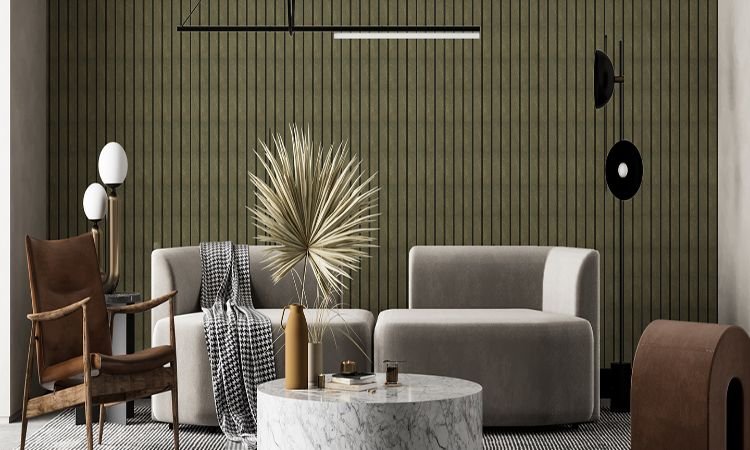
When it comes time to refresh a room, most people default to the local hardware store to browse rows of colorful cans. It is the path of least resistance. Paint has been the standard for decades because it is familiar and relatively inexpensive upfront. However, as we move through 2026, homeowners are starting to look at their interiors with a more critical eye toward long-term return on investment. The question of whether to stick with traditional paint or upgrade to wall panels is no longer just about aesthetics; it is about which choice actually builds equity in the home.
To think through this clearly, it helps to look at your walls not just as background surfaces, but as assets. Paint is a superficial change. It alters the color of a room but leaves the structural feel untouched. Paneling, on the other hand, adds physical texture, depth, and a layer of protection. If you are weighing which one adds more home value, you have to look past the immediate weekend project and consider what a potential buyer sees when they walk through the door five years from now.
The Durability Factor and Maintenance
One of the hidden costs of paint is its fragility. In high-traffic areas like hallways, kitchens, or kids’ rooms, scuffs and stains are inevitable. Within a year or two, even the best “washable” paints start to show their age. This leads to a cycle of constant touch-ups or full repaints every few years. When a home is put up for sale, a buyer can often tell when a fresh coat of paint is hiding years of wear and tear.
Modern wall panels, particularly those developed by Advance Laminates, change that narrative entirely. These materials are engineered to be scratch-resistant and moisture-proof. Instead of a recurring chore, paneling represents a permanent finish. For a prospective buyer, seeing well-maintained fluted panels or marble-finish sheets suggests a home that has been upgraded with durable, premium materials. It signals that the previous owner invested in quality rather than opting for a “quick flip” solution.
Acoustic Comfort and Insulation
A mild digression here: we often forget that our walls do more than just hold up the ceiling. They are our barriers against noise and temperature. Paint provides exactly zero thermal or acoustic benefits. In contrast, the physical thickness of paneling creates an extra layer of insulation.
If you live in a noisy neighborhood or have a home office where focus is key, the acoustic dampening of textured panels is a massive functional upgrade. It makes a room feel more solid and “quietly expensive.” In the current real estate market, a home that feels like a quiet sanctuary is worth a premium. Buyers are increasingly looking for features that improve their quality of life, and soundproofing is high on that list.
Transforming Architectural Intent
There is a specific psychological shift that happens when you walk into a room with high-quality paneling. Paint is a blank slate, but paneling feels like a built-in architectural feature. It takes a standard “box” room and gives it a point of view. Whether it is charcoal louvers in a study or subtle wood grains in a bedroom, these choices define the intent of the space.
Advance Laminates has focused on making these textures feel authentic to the touch. The difference between a basic plastic sheet and a high-pressure laminate panel is something you can sense immediately. Buyers in 2026 are sophisticated; they can tell the difference between a surface-level fix and a genuine capital improvement. By installing panels, you are essentially moving the home from a “standard” category to a “custom” one.
Assessing the Cost vs. Value
Let’s be grounded about the numbers. Paint is cheaper today. You can refresh a room for a fraction of the cost of paneling. But if you consider the “appraisal value,” the story shifts. Real estate agents often note that “feature walls” are the most photographed and remembered parts of a home listing. They catch the eye in a sea of beige-painted rooms.
Paneling also has the practical advantage of hiding minor wall imperfections. If you have uneven plaster or hairline cracks from the house settling, paint will only highlight them. Paneling covers these flaws with a high-end finish, effectively increasing the perceived quality of the entire structure. It is a one-time investment that saves you the cost of three or four repaints over the next decade.