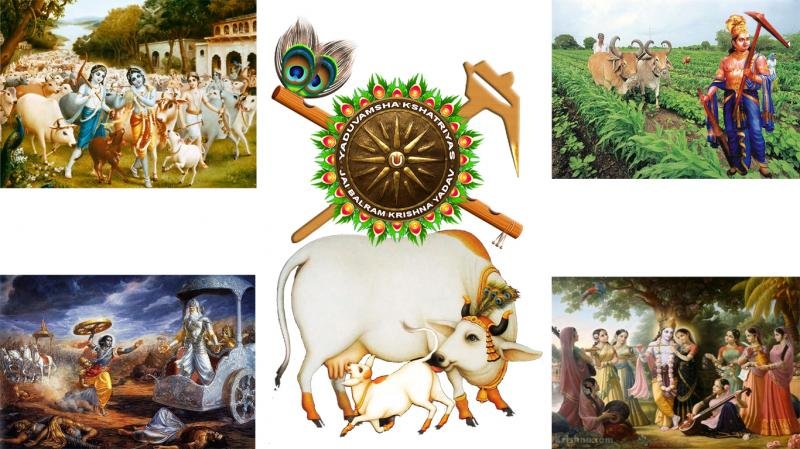
The Yadav Caste is the most prominent and culturally rich social group in India and Nepal. They were associated with pastoralism, agriculture and dairy farming. The caste has been a politically and economically influential community, which is classified under other Backward classes (OBCs)
Know about the historical origins and identity!
The term “Yadav” is derived from Yadu, who is the eldest son of King Yayati. The Yadav Caste comes with its rich cultural heritage and historical significance in India, which boasts a complex social structure. This article explores the intricate tapestry of the Yadav caste, tracing its roots.
Know about the political and social significance of the Yadav Caste!
The Yadav Caste is known for its strong political awareness. They are mostly present in the states of Bihar and Uttar Pradesh. Talking about the 19th and 20th centuries, they were the key voter group and participated in widespread movements of social and political resurgence to solidify their identity in society.
Generally, they celebrate most of the traditional festivals, but there is a special focus on Lord Krishna’s birthday, which is known as Krishna Janmashtami.
Traditional occupation of Yadavs!
Initially, Yadavs were cattle producers, cultivators or herdsmen. They were the main source of milk and dairy products. Now, they have diversified their profession and are present in huge numbers in the Indian Army and police forces. Also, many are present in the advancement of education, government service and in diverse fields.
The community is categorized into various subgroups, which are based on various regions such as:
- Yaduvanshi: They are claimed to be the direct descent from Yadu prevalent in Rajasthan and Haryana.
- Nandvanshi: They are claimed to associate themselves with Nanda Baba, who is Krishna’s foster father. They are found in Uttar Pradesh.
- Gwalvanshi: They are related to the pastoral Gwala community.
- Rathore Yadav: They are found primarily in Rajasthan. They come up with a little different identity and cultural practices.
What are the associated marriage traditions among the Yadavs?
Marriage is a significant social institution within the Yadav Caste, which is deeply rooted in traditions but is also evolving according to modern society and the latest trends. Some of the traditional practices that the Yadavs follow are:
- Arrange marriage: Arrange marriages are the marriages are traditionally arranged by parents or family members by selecting suitable partners according to their caste and social standings.
- Ceremonial rituals: Generally, Yadav hosts several days’ celebration with key ceremonies like Sangeet, Baraat and Kanyadan.
Now, let’s look at the evolving trends
- Love marriages: Love marriages are accepted among the younger generation according to their personal compatibility.
- Career and education considerations: Now, there is more emphasis on the educational qualifications of Yadavs, along with professional stability and growth.
- Inter-Caste Marriages: Gradually, these marriages are gaining widespread acceptance among all the progressive families.
- Dowry reforms: There is growing awareness regarding dowry practices, and more people in the community are opting for simple weddings without dowry practices.
End note!!
The Yadav caste is a perfect blend of ancient traditions while evolving with modern rituals and ambitions. The community has its roots in pastoralism linked to the warrior clans of ancient India. Now, they are adapting the diversity in everything from customs to professions and all. Ultimately, they are playing an important role in the social and political landscape in India.