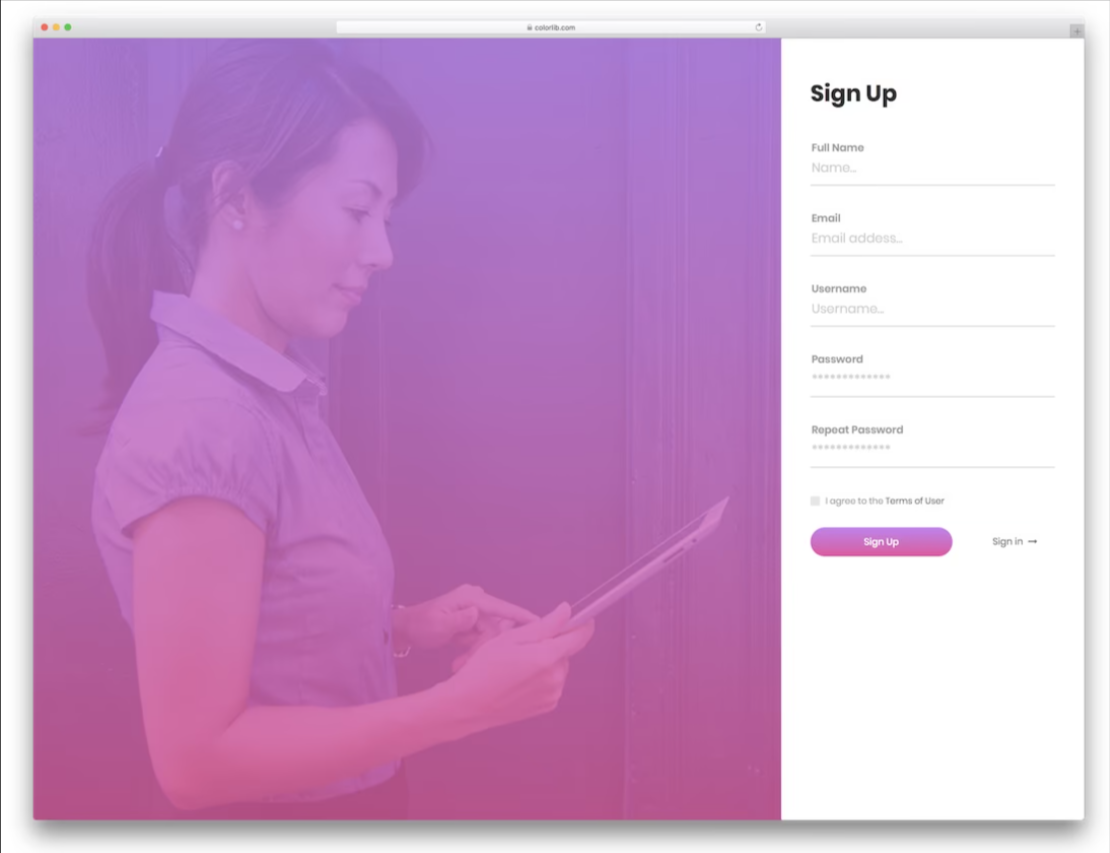
In today’s digital environment, online portals help users access services, manage accounts, and handle important information more efficiently. One such platform that many users search for is the e biotorium login portal. Whether you are a first-time user or someone trying to resolve login issues, understanding how the system works can make the process smoother and more secure.
This article explains the purpose of the login portal, how to access it, common issues users face, and useful security practices to protect your account.
What Is E Biotorium Login?
The e biotorium login portal is an online access system that allows registered users to sign in securely to their accounts. Login portals are commonly used by organizations, educational platforms, healthcare systems, and service providers to give authorized users access to private information and tools.
Users typically need a valid username, email address, or mobile number along with a password to enter the system. Once logged in, users can access dashboards, account details, and other features provided by the platform.
The main purpose of such a login system is to maintain security while offering users a convenient way to manage their online activities.
How to Access the Login Portal
Accessing the portal is usually simple if users follow the correct steps.
Open a Web Browser
Start by opening a trusted web browser such as Chrome, Firefox, Edge, or Safari.
Visit the Official Website
Enter the correct website address carefully in the browser’s address bar to avoid fake or phishing websites.
Find the Login Option
Most websites display the login button at the top corner of the homepage. Clicking it redirects users to the sign-in page.
Enter Login Credentials
Type your registered username or email along with the correct password.
Access Your Account
After successful verification, you will be redirected to your dashboard or user account area.
Using the e biotorium login system properly ensures secure and quick access to the platform’s services.
Features Available After Login
Depending on the platform, users may gain access to several useful features after signing in.
Account Management
Users can update personal details, passwords, and profile information.
Dashboard Access
The dashboard may display notifications, activities, reports, or service updates.
Secure Communication
Some portals provide messaging or communication features for users and administrators.
Document and Data Access
Users may be able to view, upload, or manage files and records securely.
Service Tracking
Certain systems allow users to monitor applications, subscriptions, or service requests.
Common Login Issues and Their Solutions
Users sometimes experience problems while trying to log in. Here are some common issues and ways to solve them.
Incorrect Username or Password
This is one of the most common problems. Double-check:
- Spelling mistakes
- Uppercase and lowercase letters
- Extra spaces
If needed, use the password recovery option.
Forgotten Password
Most login pages offer a “Forgot Password” feature that helps users reset their password through email or OTP verification.
Browser Cache Problems
Old browser cache and cookies can sometimes interfere with login sessions. Clearing the cache may solve the issue.
Internet Connection Issues
A weak or unstable internet connection can prevent the page from loading correctly.
Account Lockout
Too many failed login attempts may temporarily block access for security reasons.
Security Tips for Safe Login
Keeping your account secure is extremely important when using online portals.
Create a Strong Password
Use a password that includes:
- Letters
- Numbers
- Symbols
Avoid simple passwords such as birthdates or common words.
Enable Two-Step Verification
If available, turn on two-factor authentication for additional security.
Avoid Public Devices
Do not log in on shared or public computers unless necessary.
Never Share Credentials
Your login details should remain private at all times.
Log Out Properly
Always sign out after using your account, especially on shared devices.
The e biotorium login system becomes safer when users follow these basic security practices.
Benefits of Online Login Systems
Modern login portals provide several advantages to both users and organizations.
Convenience
Users can access services anytime and from anywhere.
Faster Access to Information
Important details and updates are available instantly.
Better Data Protection
Secure login systems help prevent unauthorized access.
Improved User Experience
Centralized dashboards make account management easier and more organized.
Why People Search for E Biotorium Login
Many users search for the e biotorium login page directly to save time and quickly access their accounts. Search engines help users reach the portal without manually navigating through multiple website pages.
People may also search for login-related help, password reset instructions, or troubleshooting guides when facing access issues.
Conclusion
Online login systems have become an essential part of modern digital services. They help users securely access important information and manage their accounts conveniently. Understanding how the e biotorium login process works can help users avoid common problems and maintain account security.
By using strong passwords, following safe browsing habits, and understanding basic troubleshooting steps, users can enjoy a smooth and secure login experience.
FAQs
1. What is the purpose of the e biotorium login portal?
The portal allows registered users to securely access their accounts and online services.
2. What should I do if I forget my password?
Use the “Forgot Password” option on the login page to reset your password through email or OTP verification.
3. Why is the login page not working?
The issue may be caused by browser cache, poor internet connection, or temporary server maintenance.
4. Is it safe to use login portals on public Wi-Fi?
Using public Wi-Fi for login activities is not recommended because it may not be secure.
5. How can I keep my account secure?
Use strong passwords, enable two-factor authentication, and never share your login credentials with anyone.