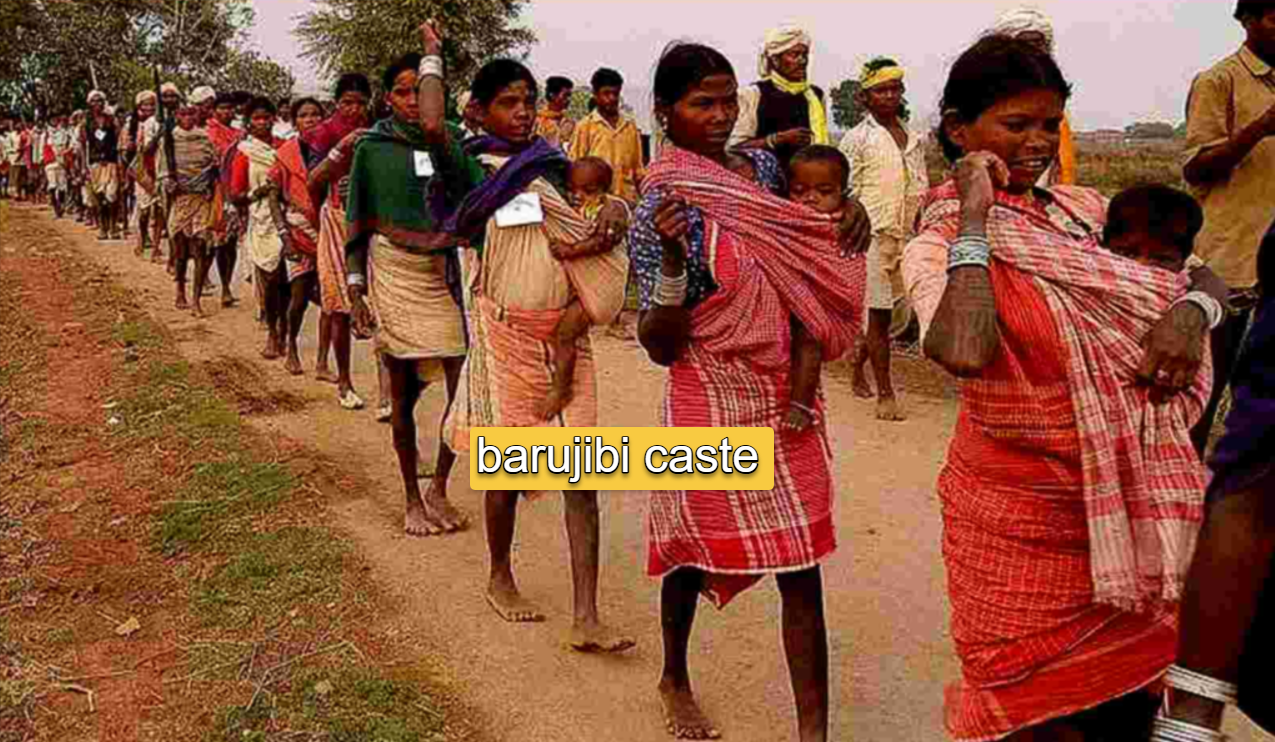
The Bengali Barujibi caste is interchangeably known as Barui in the areas of Bangladesh and India. Involved in the cultivation of betel leaves, the age-old caste traditionally follows their customs and livelihood rates. Barujibi falls under the category of other backward classes and remains a socio-culturally devoid group. In the current era, many cast members have settled down in the areas of Assam, Madhya Pradesh, Maharashtra, Rajasthan and Andhra Pradesh regions.
The Origin of Barujibi
The origin of Barujibis can be traced back to the ancient times when a total of nine castes were made. The Barujibi word is derived from The Sanskrit word nabasakh in which naba means nine and a Sakha means branch. In this way, it was believed that the cast members were somewhat below the Brahmanical caste and had a close reference with Kayastha. Their rituals and traditions were quite close to the Kayastha caste community.
Barujibis obtained a respectable status because of being an inseparable part of Hinduism. The Bengali Hindus adhere to Vaishnava culture and are involved in trading betel leaves.
Who is the Kuldevi of Barujibi?
Barujibi caste members mostly worship Goddess Lakshmi as sungai Devi. They are ardent believers of Hindu faith and follow the traditions as laid by their gotra.
According to the Hindu caste system, the origin of Barujibis took place from a cattle grazer father and a cloth weaver Mother. It is also believed that the Lord Brahma generated the necessity for cultivation of betel leaves of this clan.
Which caste is Barujibi?
The barui or Barujibis of Bangladesh and India are Obc. They follow the guidelines laid by the mandal commission of the Central government. Their current social status remains protected under various guidelines and regulations by the Ministry of Indian government. As many cultivators have left their age-old profession, the government provides Barujibi members with varied opportunities of education and jobs. Now, the current generation Barujibis can be found doing well in several prosperous areas like medicine engineering trade and business.
The agricultural activities adopted by Barujibi represent the Hindu-Bengali caste involved in the cultivation of betel leaves. The individuals are mostly found in the deltas of Bengal where the land is fertile and fit for cultivation. During the 19th century, the traditional Barujibis Cultivated betel leaves processed them and traded them for economic activities. The labour intensive farming activity formed a major part of economic growth for the area.
The caste members eventually expanded during the later centuries and resided in colonial areas. Even till date, the majority of the people are found in rural areas whereas some of them have migrated to urban places. It is quite common for the caste members to follow their age-old agricultural trade to earn their livelihood.
Barujibi matrimonial rules and ceremonies
Most of the people marry within the community emphasizing the family values and caste system. They also prioritise individuals who carry the traditional occupations. The limited transition of the caste has resulted in hybrid families where the elderly are involved in agricultural activities and the current generation is well educated and has a good job profile.