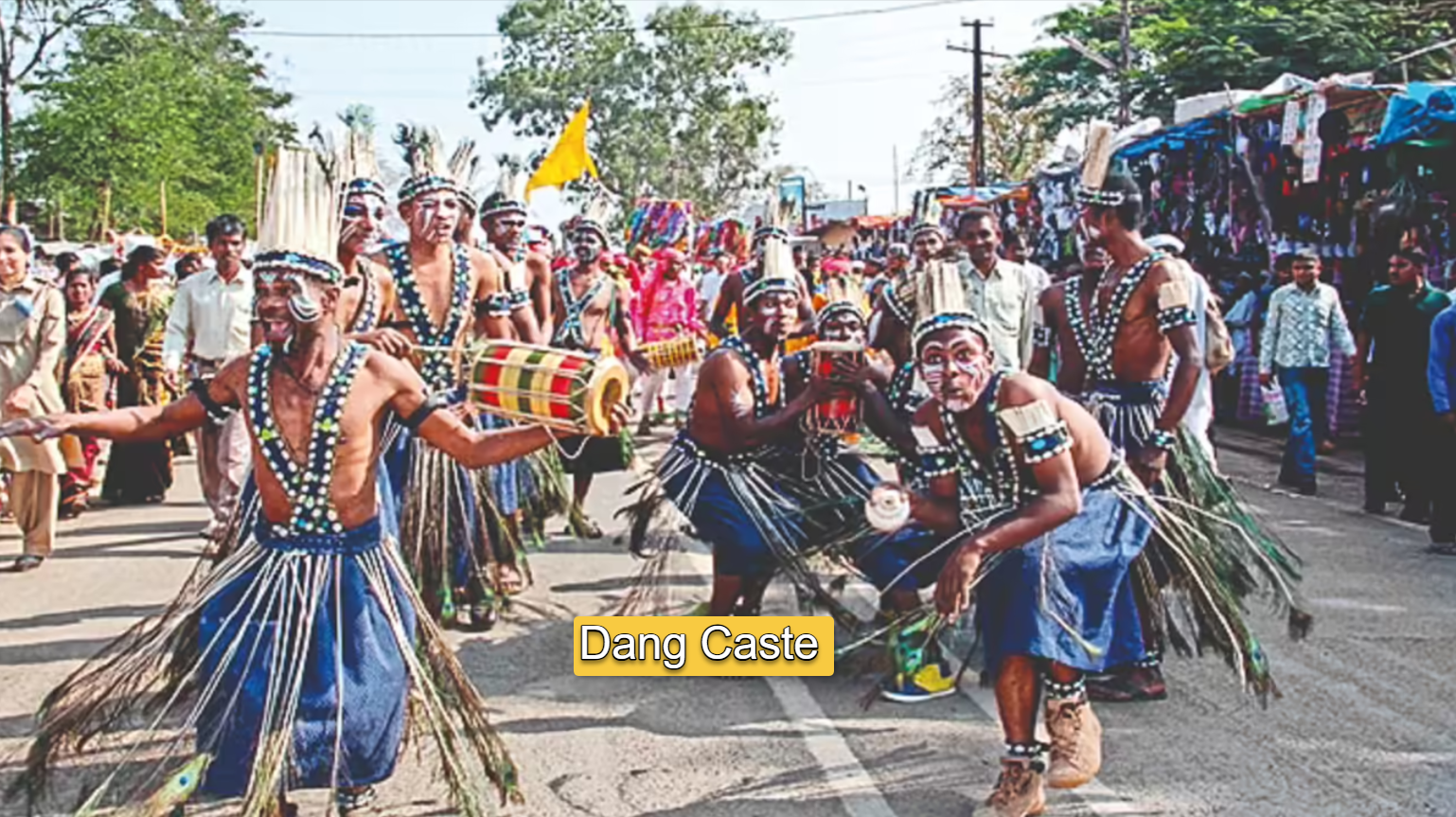
The dang caste Indians are basically a class of OBC community divided into regions and subgroups. The community is spread all across the Indian region and is highly influential in one and many ways. The descendants of Lord Rama are known to hold high intellectual values and courage. They are mostly found residing in the areas of Delhi, Punjab and Haryana with a blend of modern day and contemporary values.
The Dangi Community refers to the inhabitants of the hilly area. The hard-working agricultural community is mostly found in the areas of Bihar and intricate villages. The social divisions of the caste include Badaki and Chutki which means large land owners and small land owners respectively. The community is growing and has joined larger organisations like All India Dangi kshathriya Sangh (AIDKS).
The dang caste Community has a very positive and friendly approach towards other varnas. They are fun loving and impactful in one and many ways.
What is the origin of Dang?
Dang caste members originally belong to the village of dang in bihar. Earlier, the tribal community was mainly involved in animal husbandry and cattle grazing. Eventually, the caste evolved and spread all over northern India while contributing in various types of trade and business activities. While majority of the dang caste members are of schedule caste, some of them fall may under the general category.
The noncreamy layer of India has a lower literacy rate and poor sex ratio. They are still found residing in the remote areas of India that rely on gram panchayats for major decision making. The nearby villages of Dang village are sakhwa, phuguniyan, and bhitahi. There are many reservations and quotas provided to the clan because of remaining underprivileged in many ways. The government recognises the dangs as the minority caste and helps them to secure suitable positions in jobs by providing reservations.
The Dangs and their social upliftment
The Dangs are a social economic group and are known to be the earliest inhabitants of the forest. They later became civilised and received recognition. During earlier times, there was a limited access to education and basic facilities given to the community. The members recieved a lowly status in the society. Hence, The underprivileged caste who is now assisted by the government of India under various Vikas schemes.
The dangis are not only uplifted by providing extra privileges and reservations but also exempted from the mal-practice of untouchability. The constitutional mechanism recognises dangis and works towards their empowerment and upliftment. Efforts are made to improve the economic life of women and men at individual level. Multiple schemes to ensure that children reach school and avoid dropout or implemented. Further, post-matric scholarship that helps the children of dangis to study in IITs and iims or provided. Special education amenities for the assistance of UPSC and several organizations are distributed.
Final Words
The current position of Dang caste in India is still under the process of upliftment. Legit efforts are made to uplift the Obc community and remove disparities for the coming generations.