Welcome to the heart of South Asia, where ancient history meets futuristic potential. In 2026, Pakistan has emerged as a top-tier destination for adventure tourism, tech-driven entrepreneurship, and cultural exploration. From the jagged peaks of the Karakoram to the bustling tech hubs of Lahore, this nation is a tapestry of surprises.
Whether you are a seasoned traveler or a curious researcher, the “Land of the Pure” offers wonders that defy common stereotypes. This blog uncovers the top 10 fun facts about Pakistan that highlight its status as a global powerhouse of talent, nature, and heritage.
1. The World’s Largest Deep-Sea Port: Gwadar
Strategically located at the apex of the Arabian Sea, Gwadar Port is a marvel of modern engineering and the crown jewel of the China-Pakistan Economic Corridor (CPEC).
- Strategic Depth: It connects the Middle East, Central Asia, and South Asia, making it a pivotal hub for global trade.
- Warm Water Port: Unlike many northern ports that freeze, Gwadar is functional year-round, handling massive cargo ships with ease.
- Economic Future: In 2026, Gwadar is transforming into a “Smart Port City,” often compared to the early days of Dubai or Shenzhen.
2. A Nation of Young Innovators and Freelancers
Pakistan is a demographic goldmine. With over 60% of its population under the age of 30, the country is fueling a massive digital revolution.
- Freelance Powerhouse: Pakistan consistently ranks as the 4th most popular country for freelancing globally on platforms like Upwork and Fiverr.
- Tech Talent: From AI development to blockchain architecture, Pakistani engineers are the backbone of many Silicon Valley startups.
- Youth Resilience: The younger generation is driving a vibrant startup ecosystem, with Karachi and Islamabad leading the way in FinTech and E-commerce.
3. Home to the World’s Second Highest Mountain: K2
For mountaineers, Pakistan is the ultimate “Throne Room of the Mountain Gods.” It is home to five of the world’s fourteen “eight-thousanders.”
- The Savage Mountain: K2, standing at 8,611 meters, is widely considered more difficult and dangerous to climb than Mount Everest.
- Glacier Central: Outside of the polar regions, Pakistan has the most glacial ice in the world, feeding the mighty Indus River.
- Trekking Paradise: Regions like Gilgit-Baltistan offer breathtaking views of Nanga Parbat and the Rakaposhi, attracting thousands of ecotourists in 2026.
4. The Invention of the World’s First PC Virus
In a twist of tech history, two brothers from Lahore, Basit and Amjad Farooq Alvi, created the world’s first PC virus in 1986.
- “Brain” Virus: It was not created with malicious intent but as a way to track illegal copies of their medical software.
- Cybersecurity Roots: This event put Pakistan on the map of early computing history and sparked the global conversation on digital security.
- Ethical Hacking: Today, Pakistan produces some of the world’s top cybersecurity experts who protect global financial networks.
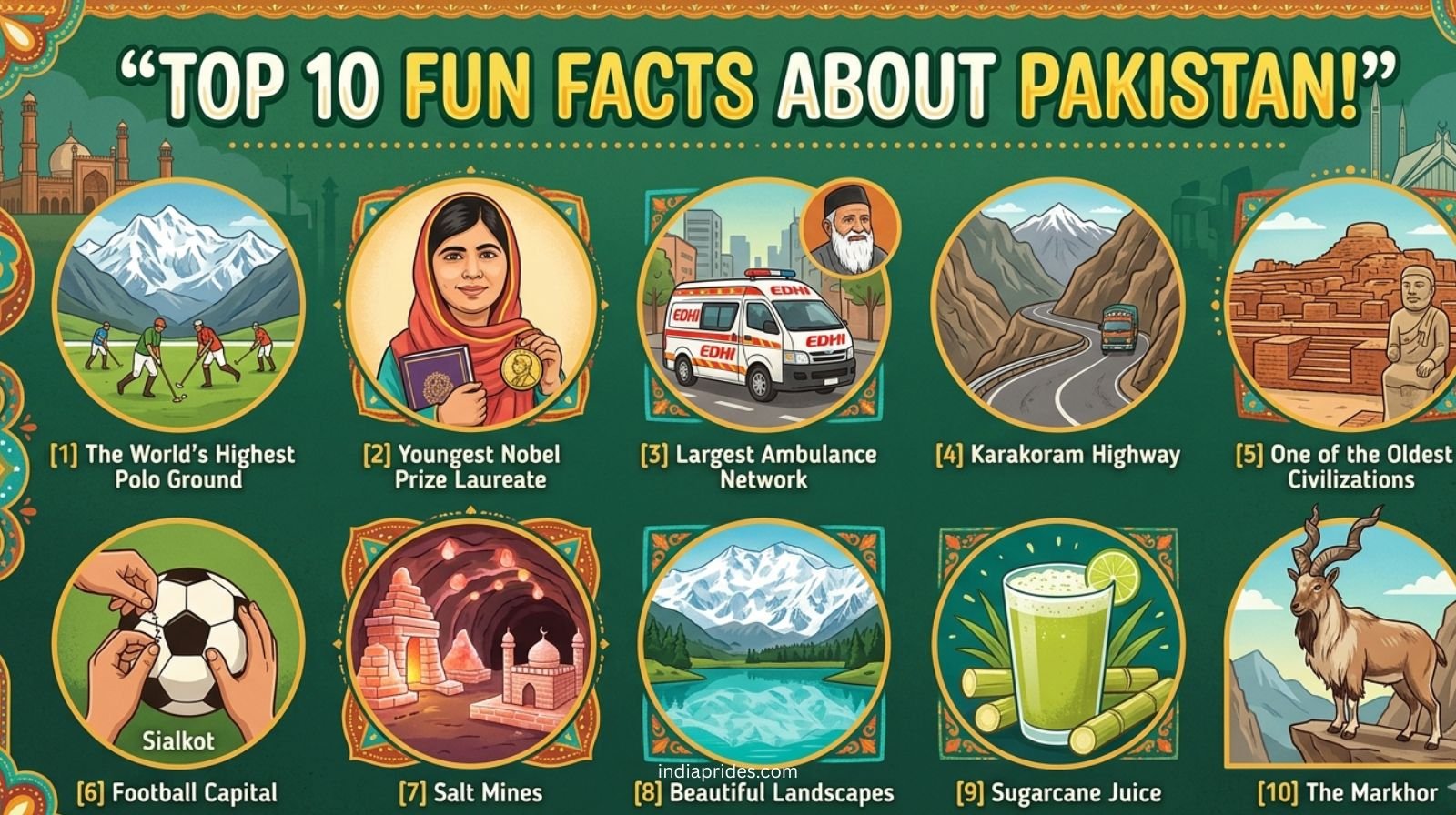
5. The Largest Volunteer Ambulance Network
The Edhi Foundation, founded by the late Abdul Sattar Edhi, holds a Guinness World Record that reflects the immense generosity of the Pakistani people.
- Service Above Self: The foundation operates the world’s largest volunteer ambulance fleet, reaching the most remote corners of the country.
- Social Safety Net: Beyond ambulances, they run orphanages, morgues, and shelters entirely through private donations.
- Global Charity: Pakistan is consistently ranked among the world’s most charitable nations, with citizens contributing billions to social causes annually.
6. Sialkot: The World’s Soccer Ball Capital
Next time you watch a World Cup match, look closely at the ball. There is an 80% chance it was made in Sialkot, Pakistan.
- Hand-Stitched Excellence: The city of Sialkot produces over 40-60 million footballs a year, including the official match balls for the FIFA World Cup.
- Sports Manufacturing Hub: Beyond soccer, Sialkot is a global leader in the production of surgical instruments and leather goods.
- Export Giant: The city’s entrepreneurship is so strong that the local business community funded and built their own international airport.
7. The Khewra Salt Mine: A Pink Wonder
Hidden beneath the earth in the Jhelum district is the world’s second-largest salt mine, and the source of the famous Himalayan Pink Salt.
- Ancient Discovery: Legend has it that Alexander the Great’s horse discovered the salt by licking the rocks while the army rested.
- Underground Architecture: Inside the mine, you’ll find a mosque made of salt bricks, a miniature Badshahi Mosque, and even an illuminated “Salt Cathedral.”
- Health and Beauty: In 2026, pink salt is a global wellness staple, exported from Khewra for everything from gourmet cooking to halotherapy.
8. The Karakoram Highway: The Eighth Wonder of the World
The Karakoram Highway (KKH) is the highest paved international road in the world, connecting Pakistan with China.
- Engineering Marvel: It reaches an elevation of 4,693 meters (15,397 feet) at the Khunjerab Pass.
- Silk Road Legacy: The highway follows one of the ancient paths of the Silk Road, offering a journey through history and high-altitude desert landscapes.
- Tourism Magnet: It provides access to the stunning Hunza Valley, where the literacy rate is nearly 100% and the scenery is unparalleled.
9. The Indus Valley Civilization: The Roots of Urbanism
Pakistan is the cradle of one of the world’s oldest and most advanced urban civilizations—the Indus Valley Civilization.
- Mohenjo-Daro & Harappa: These ancient cities featured planned grid systems, advanced drainage, and public baths long before the rise of Rome.
- Cultural Heritage: The archaeological sites provide a glimpse into a society that practiced peaceful trade and social equality.
- UNESCO Sites: Pakistan hosts six UNESCO World Heritage Sites, preserving a history that dates back over 5,000 years.
10. The King of Fruits: Pakistani Mangoes
If you haven’t tasted a Pakistani Mango, your palate is missing out on a global treasure.
- Chaunsa & Anwar Ratol: These varieties are world-renowned for their intense sweetness, unique aroma, and buttery texture.
- Mango Diplomacy: Pakistan often uses its superior mangoes as gifts for world leaders, a practice known as “Mango Diplomacy.”
- Agricultural Pride: The country is one of the top mango exporters globally, with the fruit being a central part of Pakistani summer culture and hospitality.
Conclusion: A Nation of Resilience and Beauty
Pakistan is a land where the ancient and the modern coexist in a beautiful, albeit complex, dance. From its record-breaking mountains and ports to its world-class sports manufacturing and tech-savvy youth, the country is constantly evolving.
In 2026, Pakistan stands as a testament to human resilience and natural beauty. Whether it’s the hospitality of its people or the grandeur of its landscapes, Pakistan doesn’t just offer facts—it offers experiences that stay with you forever.
Frequently Asked Questions (FAQs)
Q: Is Pakistan safe for tourists in 2026?
A: Yes, Pakistan has seen a significant boost in adventure tourism safety. Major cities and northern areas are popular among international vloggers and travelers. Always check local travel advisories for specific regions.
Q: What is the best time to visit Pakistan?
A: For the Northern Areas, May to September is ideal. For historical sites in Lahore or Karachi, the cooler months from November to March are best.
Q: Do I need a visa to visit?
A: Pakistan has a very friendly E-Visa policy for over 175 countries, making it easier than ever to explore the country.