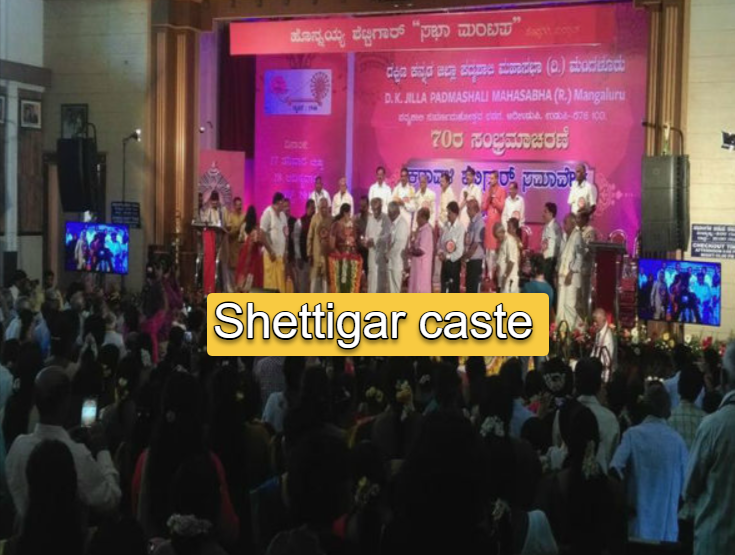
The Shettigars or also known as Padmashali/Padmasali in the states of Maharashtra, Andhra Pradesh, Telangana, Tamil Nadu and Gujarat. They are traditional Hindus vividly involved in the weaving and artistry task. The origin of the word Padmasali is derived from the word Padma – lotus and sali – weaving.
What caste is Shettigar ?
Shettigar weavers are historically mentioned in kulapurana and Markandeya Purana. They are the Telugu weavers who are also known as julahas and fall under the category of backward classes. The sub-groups of Shettigars are provided with reservations in government occupations and examinations. All the regulations for backward class commission applies for this caste system.
Some of the Shettigar caste members also use the Devgan surname interchangeably. The Vaishnava faith followers were mostly Durga followers and have a strong spiritual base. Shettigars could weave different varieties of clothes and held shudras status in the Hindu caste verna. They held a low status as per Hindu mythological and different stories.
Some of the Shettigars had a Brahmin gotra and therefore their guru advised them to convert the rest of them into a Brahmin caste. Eventually, the community migrated to the regions of Tamil and started speaking Telugu. Their artistic work was much appreciated by the kings and princes of those times.
The history of Shettigars
Since Padmashalis are mostly involved in weaving tasks, they are known to receive the skills from Maharishi Markandey. Their weaving technique and artistic work can be mostly seen in the area of Andhra Pradesh.
The dual groups of shaiva and Vaishnava are mostly involved in the origin of Shettigar caste.
Currently, Shettigars remain the third largest community of Andhra Pradesh. Weaving remains their major occupation till date and many artisans have now migrated to urban areas. The migrated individuals were involved in the procurement of raw materials like cloth and Silk yarns. The age-old tradition of weaving is still carried by the artisans. The finished goods are supplied to the government and individual entities.
How are Shettigar doing now?
As the economy developed, many artisans lost their livelihood. There was a larger demand for the readymade clothes instead of handwoven productions. Shettigars from different areas suffered economic losses and were forced to leave their age-old profession. Now, the current generation of Shettigar is involved in the professions like politics, medicines, engineering and business. They are given several reservations under the government schemes to uplift their socio-economic status in the society.
Summing up
Shettigar caste members have a lot of Brahminical values because of their age-old link with Markandey Rishi and Puranas. Even after being Obc, Shettigars are found wearing the sacred white thread. They have much knowledge about puranas, scriptures and vedas.
Final words
Many people call Padmasalis as saliyas. The individuals not only follow their age-old tradition of weaving but are also experts in Brahmanical customs. They are mostly found in Karnataka, Kerala and Andhra Pradesh speaking local languages.