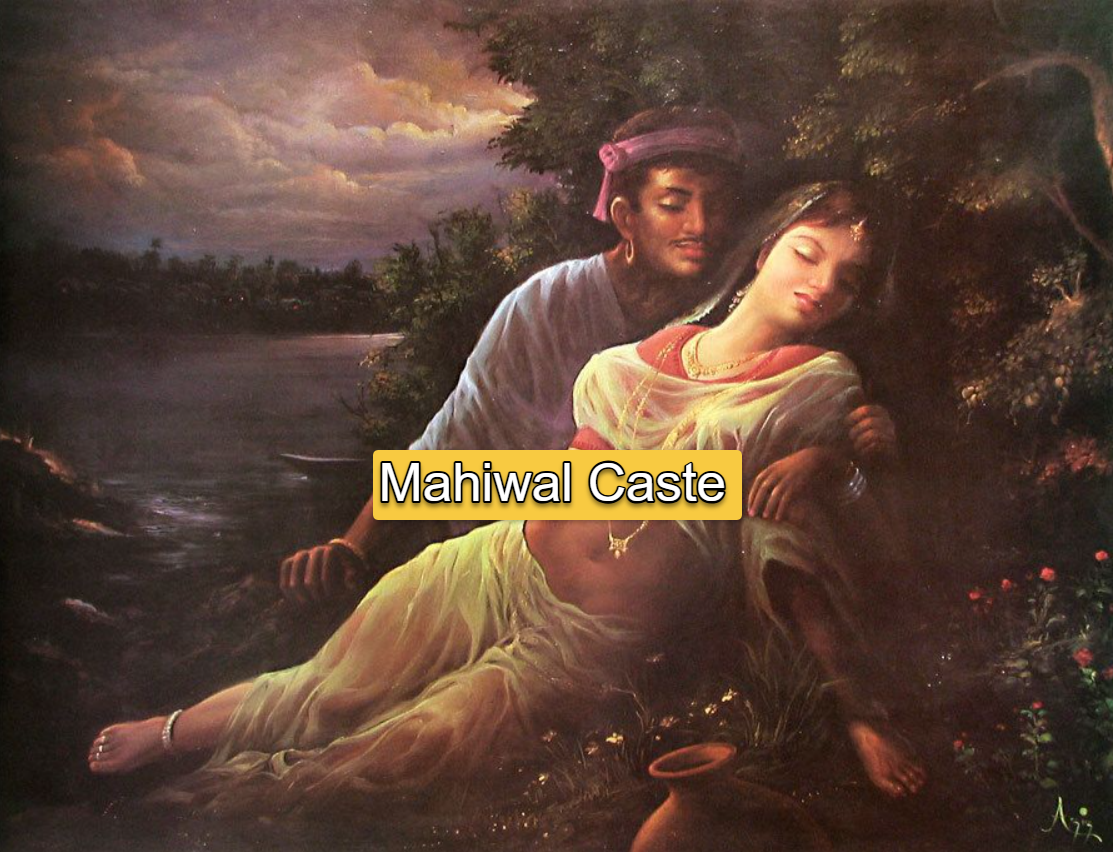
The term Mahiwal Caste is derived from the combination of Meh and wal meaning ‘The Buffalo keeper’. Most of the Mahiwals belong to the jat Punjabi culture and are interchangeably called Mehra. The ancestors of the Mahiwal Caste originally belonged to Punjab and Pakistan.
Another story suggests that the early Mahiwals were the keepers of aquatic animals. They were mainly involved in fishing and trading activities alongside lakes and rivers. Their livelihood was mainly agrarian. The Mahiwals of earlier time migrated to India from Pakistan after the partition of 1947.
The legendary Mahiwal surname is connected with the very famous Heer Ranjha character. The Ranjha was the MahiWal who is Known to be the epitome of love and sacrifice.
The Culture of Mahiwals
The story of Heer and Ranjha well reflects the culture of this community. The Mahiwal Caste people are indeed very affectionate and loving. The rich Punjabi heritage of the community is found intact in the areas of Punjab and Haryana.
The vibrant and high energy Mahiwal caste is often found celebrating their festivals with rich food, music and dance. They are high-energy individuals who love to do Bhangra and Gidda dances that are rooted to their hospitality. While most of the men are found wearing Kurta pajamas, women are mostly dressed in salwar kameez. The festivals of Baisakhi, Lohri, hola Mohalla and Diwali are commonly celebrated amongst all Punjabi members including the Mahiwal.
Mahiwals Caste are very particular about their spirituality and culture. They are often involved in community service and maintaining internal harmony. Both Women and men regularly visit the local gurdwaras to pray and seek blessings from their respective gurus. They cover their heads with dupatta, turbans and handkerchiefs as a token of respect to the diety.
Livelihood of current Mahiwals
Even today, most of the Mahiwals are involved in pursuing agricultural activities while maintaining their ancestral traits. The ones dwelling in the rural areas have large landholdings and multiple modern arrangements of farming. The influential Mahiwals are most of the time not devoid of basic agricultural facilities. They are usually wealthy jats who have more than one way of making money in the same field. For example, the Mahiwal Caste is not only involved in agricultural produce but also makes their livelihood through animal husbandry. The Jat Punjabi Women who don’t have a strong financial backbone are known to work in the rural areas.
Final words
The impact of Sikhism over the Jat Mahiwal Caste has helped in their overall upliftment. Their culture has been their guiding light since ages. Most of the Mahiwal women do not work in fields except a few who are extremely poor and devoid of resources. The clan is now migrating towards urban areas and no longer have compulsions to follow agricultural activities only. Many Mahiwals are practising trades, businesses and professions in different fields. They are free to select their marriage partners and can speak English and Hindi apart from their mother tongue Punjabi.