Packing a rucksack efficiently is an essential skill for any traveler. Whether you are going on a short trip, a trekking adventure, or a long journey, how you organize your backpack can greatly impact your comfort, mobility, and overall experience. A well-packed rucksack helps you carry everything you need without unnecessary strain or clutter.
The first step is to choose the right rucksack. Make sure it is suitable for your trip duration and has enough compartments for organized packing. A rucksack with padded shoulder straps and proper back support will reduce strain on your shoulders and spine. Once you have the right bag, begin by making a checklist of essentials to avoid forgetting important items.
Start packing by placing heavier items at the bottom of the rucksack. This helps maintain balance and prevents the bag from feeling top-heavy. Items like shoes, books, or toiletries in sturdy containers should go at the base. Keeping weight lower also makes it easier to carry the bag for longer periods.
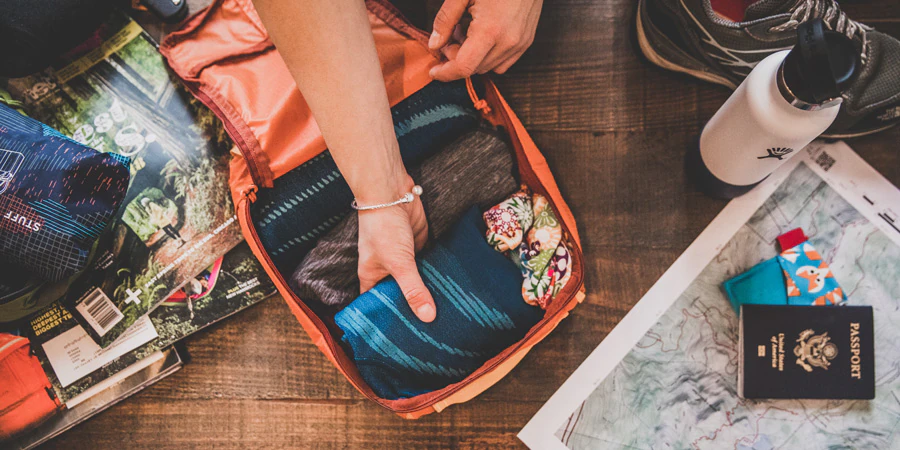
Next, pack medium-weight items such as clothes in the middle section. Rolling your clothes instead of folding them saves space and minimizes wrinkles. Organize clothes by type or usage, for example, keeping daily wear separate from special outfits. You can also use packing cubes or separate pouches to keep things neat and easy to access.
Lightweight and frequently used items should be placed at the top or in outer compartments. This includes items like snacks, chargers, travel documents, a water bottle, and a light jacket. Keeping these items accessible prevents you from having to unpack the entire bag when you need something quickly.
Make use of all available compartments and pockets. Small items like keys, toiletries, cables, and personal accessories should be stored in smaller pouches or zippered sections to avoid misplacement. Keeping similar items together improves organization and saves time during your journey.
It is also important to distribute weight evenly. Avoid overpacking one side of the rucksack, as this can cause imbalance and discomfort while carrying. Adjust the straps properly so that the bag fits snugly against your back, with most of the weight resting on your hips rather than your shoulders.
Another helpful tip is to keep essential documents and valuables in a secure, easily accessible pocket. Items such as your ID, passport, tickets, and wallet should always be within reach but safely stored.
Before closing your rucksack, double-check your checklist to ensure nothing important is left behind. Avoid overpacking, as carrying unnecessary items can make your journey tiring and inconvenient. A minimalist approach often works best for comfortable travel.
In conclusion, packing a rucksack properly involves smart organization, weight distribution, and prioritizing essential items. With a little planning and the right technique, you can travel more comfortably and efficiently, making your journey smoother and more enjoyable.
FAQ (Frequently Asked Questions)
Q1: What is the best way to pack clothes in a rucksack?
Rolling clothes instead of folding them saves space and keeps them more organized.
Q2: Where should heavy items be placed in a rucksack?
Heavy items should be placed at the bottom to maintain balance and reduce strain on your back.
Q3: How can I avoid overpacking?
Make a checklist before packing and carry only essential items based on the duration and purpose of your trip.
Q4: Should I use packing cubes or organizers?
Yes, packing cubes help keep items organized, separate, and easier to access during travel.
Q5: How do I balance weight in a rucksack?
Distribute items evenly across the bag and avoid placing too much weight on one side.
Q6: What items should be kept easily accessible?
Keep travel documents, water, snacks, chargers, and frequently used items in outer or top compartments.