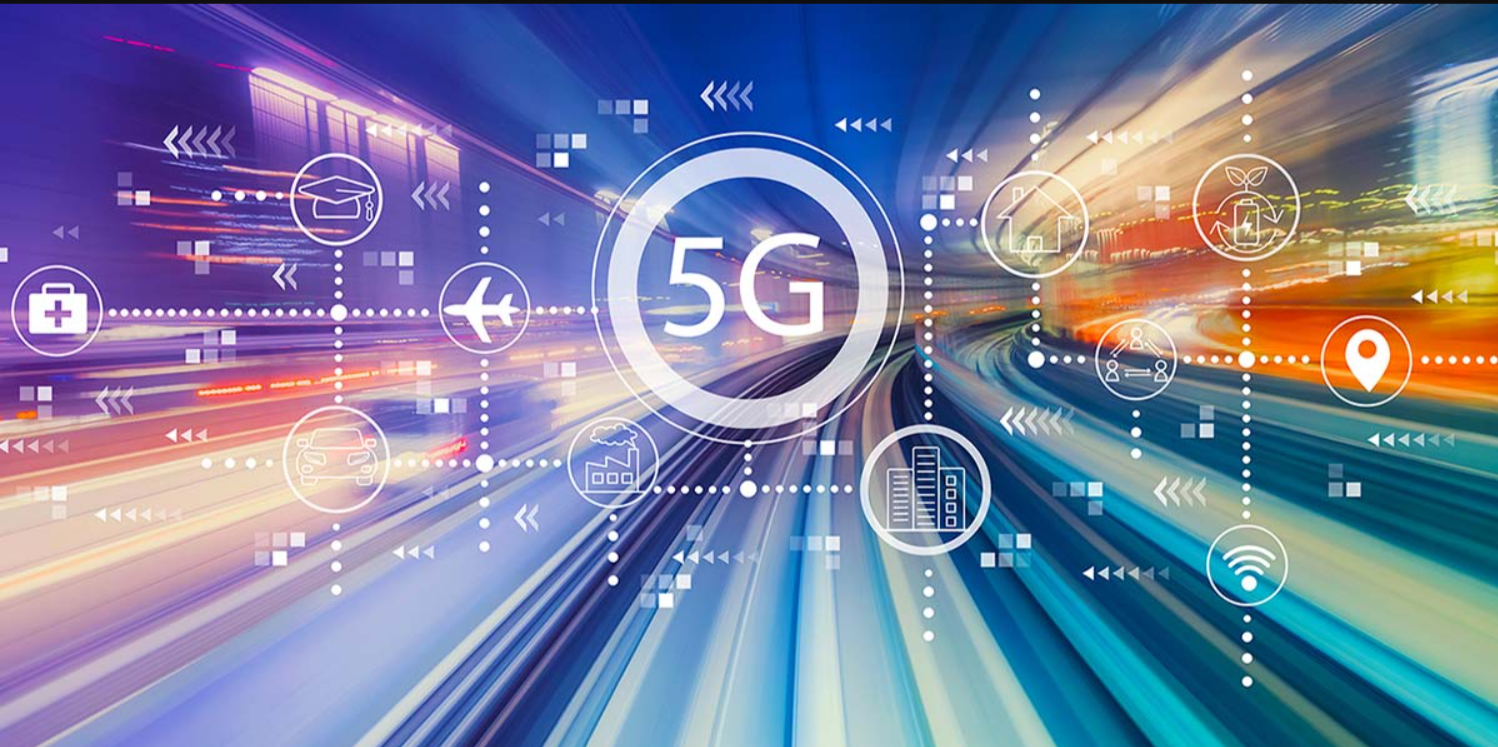
The rapid growth of connected devices has transformed how we live and work. This network of interconnected devices, known as the Internet of Things (IoT), includes smart home appliances, wearable devices, industrial sensors, connected vehicles, and more. The introduction of 5G technology has significantly accelerated the capabilities of IoT by offering faster speeds, lower latency, and higher network capacity. Together, 5G and IoT are creating smarter cities, efficient industries, and improved everyday experiences.
What is 5G Technology?
5G is the fifth generation of mobile network technology, designed to provide faster data transmission, ultra-low latency, and reliable connectivity. Compared to previous generations like 4G, 5G can support a much larger number of connected devices simultaneously while maintaining high performance. This makes it ideal for powering IoT ecosystems where thousands or even millions of devices communicate at once.
Faster Data Transmission
One of the most important ways 5G enhances IoT is through its high-speed data transfer capabilities. With 5G, devices can send and receive large amounts of data in real time. This is particularly useful for applications like smart surveillance cameras, autonomous vehicles, and industrial automation systems that rely on continuous data exchange.
For example, in a smart city, traffic cameras and sensors can transmit live data to control centers, allowing authorities to monitor traffic flow and respond quickly to congestion or emergencies.
Ultra-Low Latency
Latency refers to the time it takes for data to travel from one device to another. 5G significantly reduces latency to just a few milliseconds. This near-instant communication is critical for time-sensitive IoT applications.
In healthcare, for instance, remote surgery systems and patient monitoring devices require immediate response times. Similarly, autonomous vehicles depend on real-time communication with sensors, traffic systems, and other vehicles to ensure safety. Low latency provided by 5G makes these advanced applications more reliable and effective.
Massive Device Connectivity
IoT ecosystems often involve a large number of connected devices operating simultaneously. Traditional networks can become overloaded when too many devices try to connect at once. 5G solves this problem by supporting a massive number of devices per square kilometer.
This capability is essential for smart homes, smart factories, and smart cities where thousands of sensors, appliances, and machines need to stay connected at all times. With 5G, networks can handle this dense connectivity without compromising performance.
Improved Energy Efficiency
Many IoT devices operate on batteries and are expected to run for long periods without frequent charging. 5G introduces energy-efficient communication protocols that help devices consume less power while staying connected.
This is especially important for remote sensors used in agriculture, environmental monitoring, and infrastructure management. Lower energy consumption extends battery life, reduces maintenance costs, and enables IoT devices to function efficiently in hard-to-reach areas.
Enhanced Reliability and Network Slicing
5G networks offer improved reliability, which is crucial for mission-critical IoT applications. Technologies such as network slicing allow operators to create multiple virtual networks within a single physical network. Each slice can be optimized for specific use cases, such as healthcare, transportation, or industrial automation.
For example, a hospital can have a dedicated network slice for medical devices, ensuring consistent performance and high security without interference from other network traffic.
Supporting Smart Cities and Industries
The combination of 5G and IoT is a driving force behind smart cities and Industry 4.0. In smart cities, IoT devices connected via 5G help manage traffic systems, energy grids, waste management, and public safety. In industrial settings, 5G enables real-time monitoring of machinery, predictive maintenance, and automated production lines.
Factories equipped with IoT sensors can detect faults early, reduce downtime, and improve efficiency. Similarly, logistics companies can track shipments in real time, improving supply chain visibility.
Challenges and Considerations
Despite its advantages, the deployment of 5G for IoT comes with challenges. Infrastructure development is expensive and requires extensive installation of small cells and network equipment. Security is another concern, as the large number of connected devices increases the potential attack surface for cyber threats. Proper encryption, authentication, and network management are essential to ensure safe operation.
Conclusion
5G technology plays a crucial role in enhancing the Internet of Things by providing faster speeds, lower latency, massive connectivity, and improved reliability. These capabilities enable a wide range of applications across healthcare, transportation, industry, and smart cities. As 5G continues to expand globally, it will unlock the full potential of IoT, making systems more intelligent, responsive, and efficient. Together, 5G and IoT are shaping the future of a highly connected digital world.