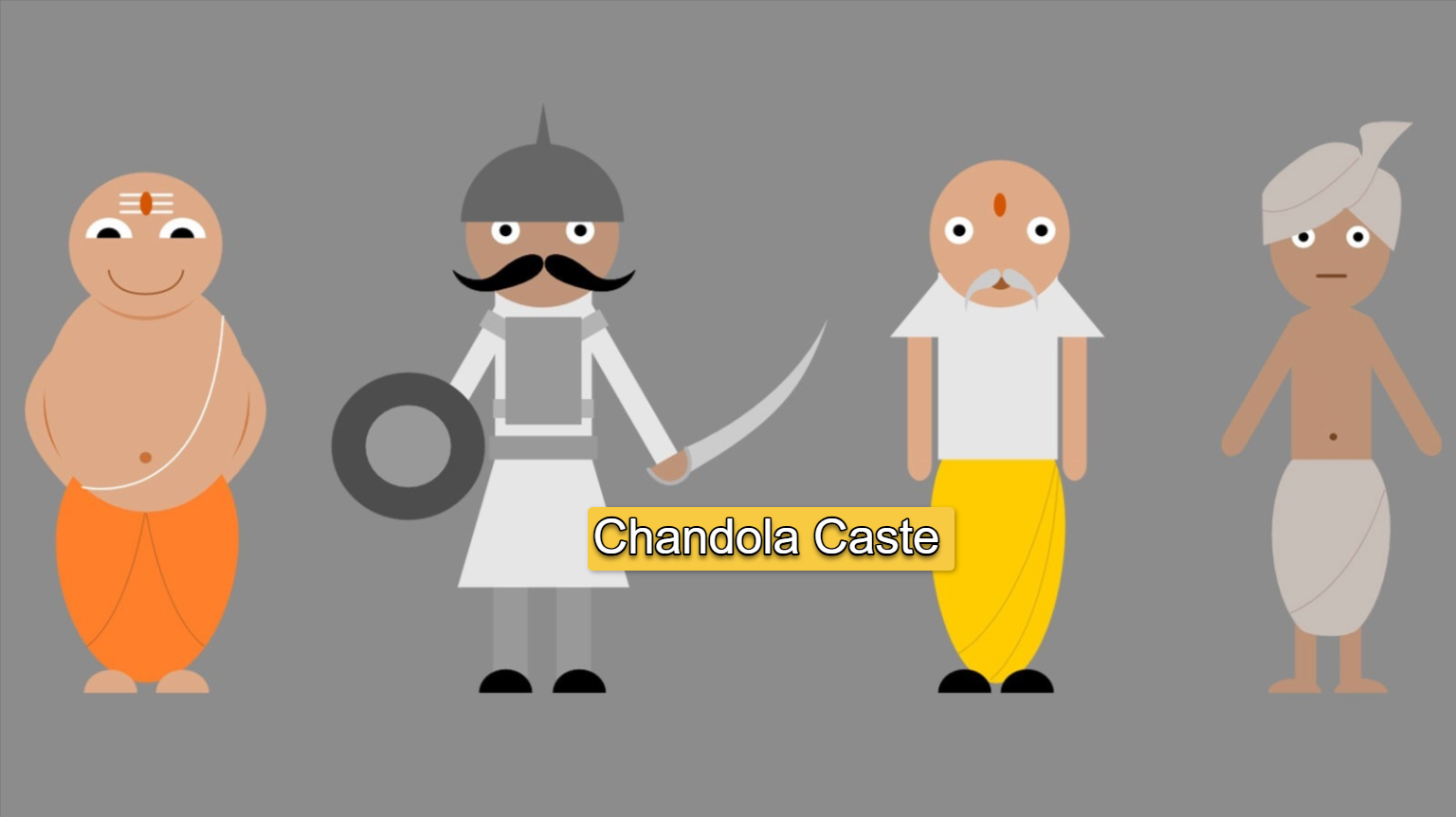
The Garhwali Brahmin community of Uttarakhand commonly uses the Chandola surname. The Hindu caste in the Indian Varna system holds the highest position. The origin of the community members comes from the Kumaon region of Bageshwar village. Many Garhwali Brahmin caste members also live in the areas of Vijaypur and Kafligair villages. The Mishra Brahmin descendants have a different following than the usual Brahmin community. They are non-practitioners of vegetarianism and are involved in animal sacrifices.
The Indo Aryan Garhawali people of Uttarakhand speak Garhwali as their mother tongue. It is the local Pahari language of Uttarakhand which is now expected to die in the upcoming generations.
Chandola caste origin and history
Chandola surname originally belongs to Nepal where the community members were rajpurohits of the kings. After the exile of the king, these members migrated to India and settled in the Kumaon region of Garhwal, Uttarakhand. The priests started serving the local temples of the hilly area and soon established a complete community. These individuals were referred to as Garhwali Brahmans who had a Nepali influence in their culture.
Chandola Caste- the northern Indian community of India derives its name from the Sanskrit word Chanda and Ola which means moon and its belonging. The ancestors of the caste were believed to be excellent in their respective occupations. They were agriculturalists who were compassionate and learned in their own way. The cultural patterns of the caste members may differ according to the socio-political influences. However, in general, the community is closely tied to its traditions and customs.
Chandola Kuldevi Temple and rituals
Dehradun has areas like Pauri, Garhwal and Chamoli Garhwal where majority of the Chandolas reside. It is known that the community relies on JwalaDevi as its kuldevi for referring to marriages ceremonial and other rituals.
Other than the Jwala Devi temple, many Garhwali Brahmins also visit the temples of Chandra Badani Devi which is around 8 km from Srinagar. There are annual events organised in the kuldevi temples which reflect the beautiful Pahari cultural and ethnic beauty of Uttarakhand.
The age-old Kuldevi temple of Chandolas accepts tourists all year. Many people offer their first agricultural produce in the temple shrines as an act of thankfulness. The sacred Kuldevi temple is divine and is expected to protect the community members against any penance and Calamities.
Chandola position in the current time
The current generation who carry the Chandola caste is well educated and dynamic. The individuals are emerging as experts in the field of academics, arts and even politics.
Many family members of the community have their contribution in the politics and socio-economic development of the country.
Chandola matrimony culture
Chandola – the Garhwali Brahmin community emphasises on marrying within the community. They focus on finding partners with religious backgrounds in order to preserve the unique Garhwali culture and language. The current generation looks forward to finding partners who are not only tied with their cultural roots but are also professionally equipped. They avoid inter-caste marriages and follow the Garhwali rituals for the fulfilment of marriages.