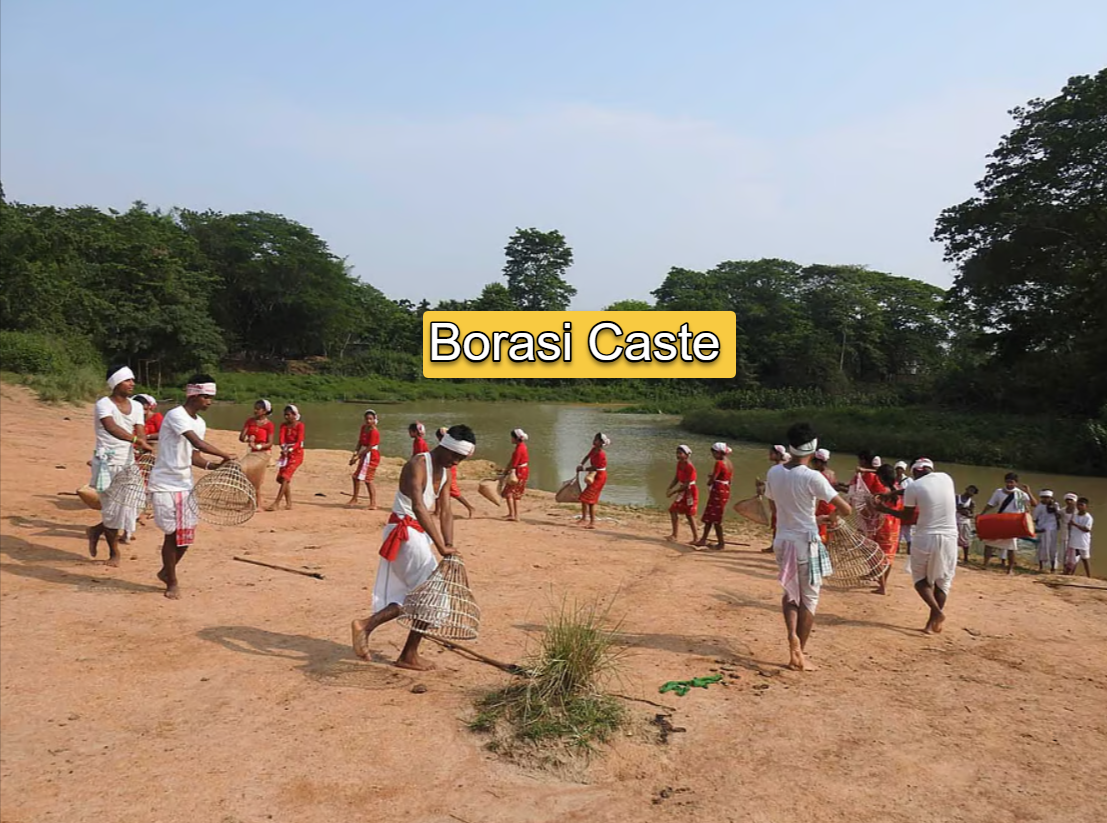
The Hindu caste of Borasi is interchangeably called Boria. The Kshathriya rajput subclan is scattered in the areas of northern India. Most of the caste members were historically engaged in the task of agriculture and farming. They also had strong martial skills which remained a part of their culture since decades.
The Borasi Samaj customs and culture are exactly the same as the Rajput Shathriya clan of Hindu. They are mostly Shiva followers and celebrate all Hindu festivals throughout the year.
Borasi caste history
The community members originally belong to the pasi community which is extinct and no longer found. Earlier, this endogamous community was mainly found in the areas of Bihar, Uttar Pradesh and Nagpur. The Pasi Borasi Community also used bahoria as their titles. The caste members held a high social status and were economically equipped.
The culture of endogamy was quite prominent in many subcastes of Borasi. People who carried gujar and kaithwas surname were also involved in marrying the members of the same caste sub-group. They even made cute expenditures to bring wives of the same clan. Eventually the culture faded and the Kshathriya community started marrying women of different subgroups.
Are Borasi Obc or general?
Borasis are provided with OBC status by the Indian government census. The caste members are ancestorily engaged in the agricultural activities and farming while remaining devoid of due social status in the past years. The government recognises the endangered community and identifies it in the category of other backward classes. Even in the present times, the majority of the members are cultivators and small land owners. They are also involved in animal husbandry as their secondary source of livelihood. The multi-caste community depends on Biradari Panchayat to deal with their day to day issues and crimes. With a limited number of people coming under the caste category, the Borasi population was listed in the backward category by the government 2011 census of India.
The present situation of the Borasi community
The Borasi caste members still live in the areas of northern India and practice multiple ranges of livelihoods. Some of the families continue to practise agricultural occupations while others have shifted towards modern ways of making money. In fact, many committee members follow both farming and trading depending on the generation type to earn livelihood.
The Borasi samaj has scattered all across the parts of northern India including both urban and rural areas. They are practising professions in different fields of education, IT sector, medical and technology. The younger generations are mainly pursuing professional fields that need high end qualifications and education. The influence of both urban and rural dwelling is well reflected in the caste members in today’s time. The new generations are trying to preserve their cultural identities while supporting the economic development of the future generations. Hence, the individuals are leaving behind their ancestral occupations to choose a better future. On the other hand, they are also emphasising on marrying within the caste so that their cultural values are not diminished.