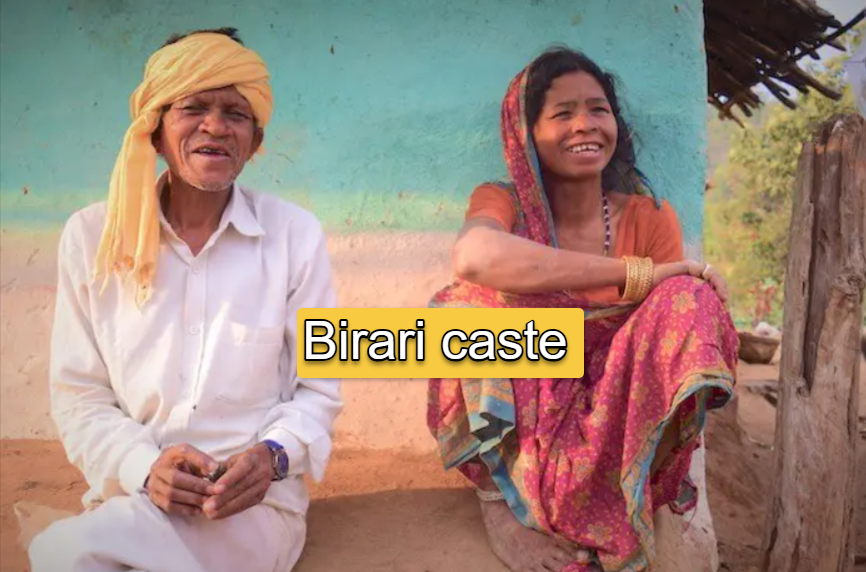
The Birari caste belongs to the agricultural background with most of the members still practising the activity at manual level. The tribal community is categorised under scheduled caste and scheduled tribe norm by the Indian government. Most of the population of the caste are cultivators who work as labourers in the agricultural lands of rural areas.
The Birari origin
The Birari caste members mainly derive their name from the village of Birari which is located in the Etawah block of Uttar Pradesh. The limited population of the village results in lower literacy rate and limited working opportunities. Most of the tribes of the castes practice agriculture, animal husbandry and farming to meet their financial needs. The socially divided caste members are economically backward. They were provided with the untouchability status during the previous medieval era. Eventually their status improved with the advent of government schemes and arrangements. The caste members are now provided with ST and OBC quota which helps them to avail plenty of reservations in government jobs and colleges. The individuals from the caste can easily get admission in reputed government institutions while upgrading their living standards altogether. Even the agricultural and farming activities are provided with various incentives and rebates to ensure maximum revenue generation and economic stability.
The culture of Birari
The Hindu community of India celebrates and expresses itself on the occasions of Diwali, Holi, Makar Sankranti, Gudi Padwa and Raksha Bandhan. The individuals are very ardent followers of BR Ambedkar. They celebrate the Ambedkar Jayanti with more zeal and enthusiasm than any other cast members. With limited urbanisation of the community, cultural roots have an important role to play in the lives of the community members. Most of the Biraris are vegetarians and do not dine on dead flesh. They mostly eat whatever agricultural produce they get from their farming activities.
Men amongst the caste members are mostly dressed in Kurta and Dhoti while women wear sari. The self sustained community handles the task of marriage and festive ceremonies without any involvement of professional services. They energetically organise folk dances, Dholak and decorations to ensure that the zeal is heightened up to the core.
The social status of Birari caste
Biraris are most of the time patriarchal in nature. They do not let women participate in decision-making and education. Only men hold respectable status which gives them more opportunities of education, earning and handling day to day affairs. Even after the existence of such old age phenomena, the caste members live peacefully within their respective villages. They have a cleaner lifestyle and limited necessities while giving them a stable life all together.
Final words
Biraris have now started migrating towards the cities in search of better opportunities. Most of the caste members choose areas of Kanpur and Ghaziabad for establishment . The community worships all the Hindu Gods and remains indulged in nonviolence. It avoids intercaste marriages and believes in getting married within the community only.