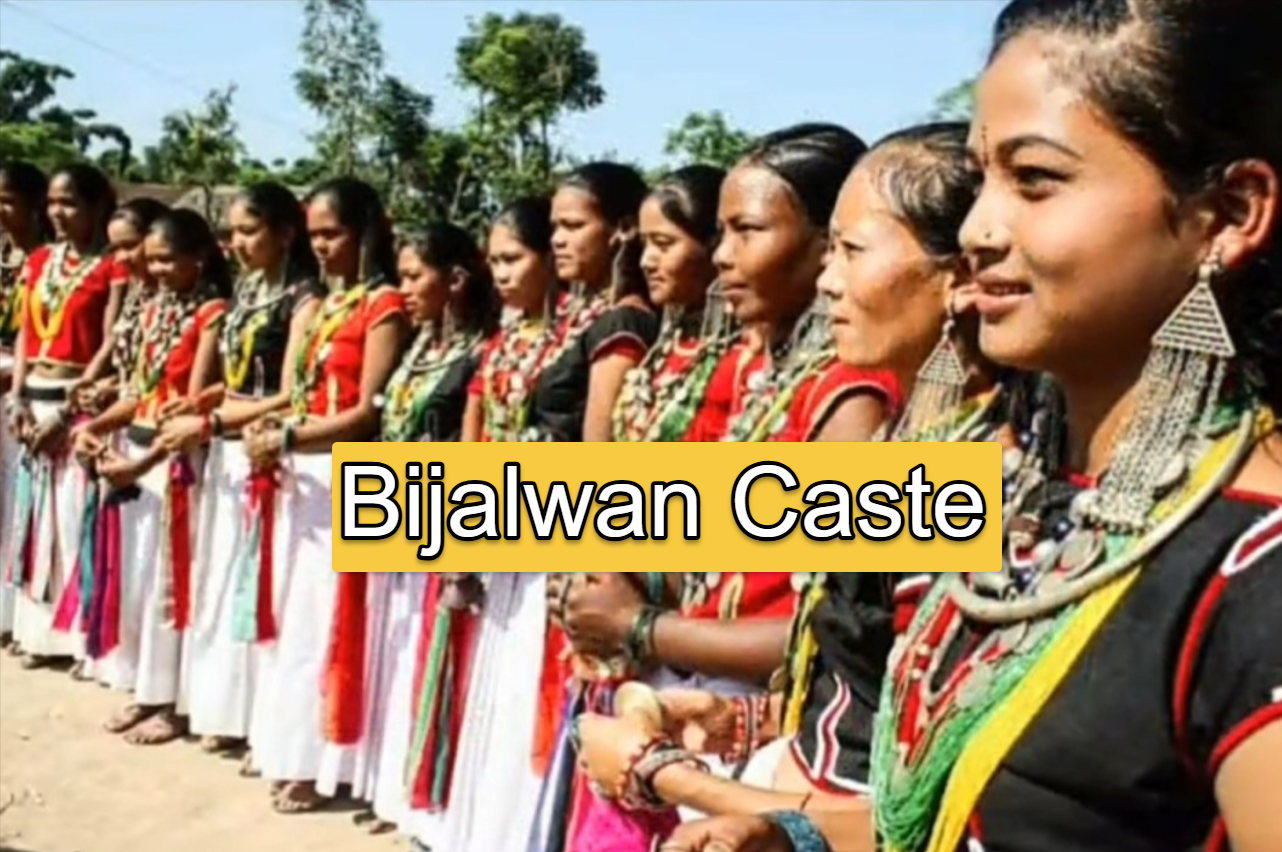
The Garhwali Brahmins are also known as Bijalwans. They live in the north Indian state of Uttarakhand and follow their traditional traits to reflect their identity and community. The earlier caste members were mostly priests and preachers that held a higher status variably. Their traditional spiritual practices and special dedication towards Goddess Surkunda Mata further makes them a very strong and well defined community.
The history of Bijalwans
It is believed that a very old man had two sons whose names were Saju and Biju respectively. Saju was the elder son whereas Biju was the younger one. One day, the old man went to the King’s Court and requested him to offer some kind of job to his sons. Saju was offered the job of an executioner and Gaju was given the job of a cook. Eventually, the later generations of Saju were known as Sajwan (rajputs) and Biju was known as bijwan which was a Brahmin caste.
Is Bijalwan caste general or obc ?
As per various government reports and Census, Bijalwan surname belongs to the general caste category. Many people with this caste are listed as general candidates and have a proper status in the society. The Uttarakhand Brahmins are mostly involved in the activities of worshipping and religious ceremonies. They even have settlements in the area of Kedarnath and ManasKhand.
Are Bijalwans vegetarian or non-vegetarians?
One of the most astonishing parts of Pahari Brahmin community of Uttarakhand is their non-vegetarian culture. Their settlements in the himalayan regions influence their food and habits. Since the caste members are involved in ritual acts like animal sacrifices, they naturally become meat eaters by religious sentiments.
Unlike the usual Brahmans of north India, the Bijalwan Brahmin community members commonly offers animal sacrifices to their Kuldevi and Devta. They might cook or simply offer raw meats to the Gods.
The ancestral temples serve as a centerpiece for various religious ceremonies. The shakti followers are not Vaishnava followers and are hence non-vegetarians. Historically, the community members included fish, goats and buffaloes in their sacrifice. They consider it as a good omen to offer animal sacrifices in the temples. The reason behind the activity is to maintain the balance of nature and help their wishes come true.
The garhwal Brahmin community of Uttarakhand originally survived on birds, mutton, and fish that is mostly cooked without onion and garlic. This remains one of the most confusing aspects of the community which is also very intriguing to discover.
Final words
The Bijalwan caste is now evolving just like other Varnas of Hindu religion. The Brahmin community has well preserved their cultural heritage. Now, the current generation is trying their luck in the fields of education, trade and medicines. The historical and social importance of this caste in the area of Uttarakhand is unprecedented. Their immense cultural contributions have always helped in the long lasting survival of Indian Hindu culture in the hilly areas.
The diversified caste members are unique and reflect their own ethnic structure. They have their own unique established identities which gives them their special traits and influences eternally.