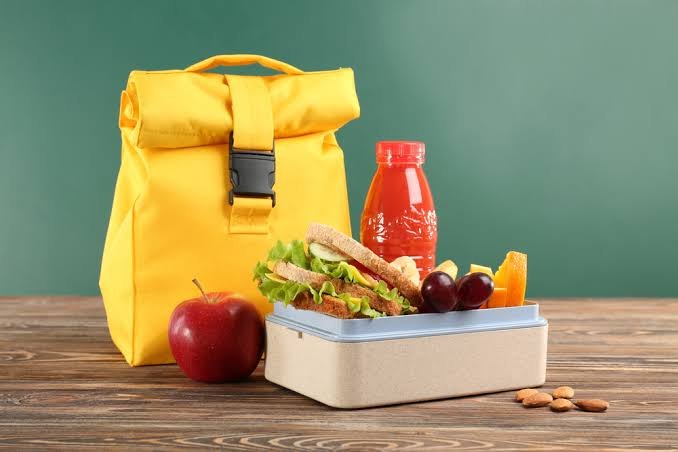
There is a specific kind of frustration that comes from opening your bag mid-commute and finding your lunch has arrived before you did. Curry on a laptop. Curd soaked into the lining. A container that looked perfectly sealed when you left the house and somehow was not by the time you reached the office. The lunch box market is cluttered with products that use the phrase leak-proof as a description rather than a guarantee, and understanding what actually makes one reliable changes how you shop for one entirely.
The Gasket Is Where It Either Works, or It Does Not
Every genuinely leak-proof lunch box starts with one component. The silicone gasket running around the inside groove of the lid.
When it is doing its job properly, it compresses against the rim and creates a continuous seal that holds from any angle, sideways, upside down, at the bottom of a bag getting knocked around on a crowded train. When it is not, everything else about the box is irrelevant. Excellent clips, solid construction, good material throughout, and a compromised gasket defeats all of it.
Silicone stays flexible through repeated dishwasher cycles, handles temperature variation without hardening, and compresses consistently over years of daily use. Rubber alternatives stiffen with heat and crack at the edges faster than most people expect, often within the first year. The failure is not sudden. The box starts weeping liquid from the lid corners before anything looks visibly wrong, which is exactly the kind of gradual problem that gets ignored until it becomes a ruined bag.
The removable gasket is the detail worth checking before buying. A fixed gasket traps food residue in the channel beneath it. Nothing clears that properly with standard washing. It builds up, prevents the seal from sitting flush, and the box that was reliable at purchase quietly stops being reliable over months. Pull the gasket out, clean it and the channel separately, and the seal performs the way it should indefinitely.
What the Lid Mechanism Is Actually Doing
A good gasket with the wrong lid design is still a leaking lunch box.
Four-clip lids distribute closing pressure evenly around the entire rim. Two-clip designs concentrate pressure at the clip points and leave the long sides sitting with slightly less compression. That gap is where liquid eventually finds a route out, particularly in lunch boxes carrying anything with a sauce that moves when the bag is jostled. The difference in reliability between two-clip and four-clip is consistent across brands and price points.
Clip fatigue is worth monitoring too. New clips require real pressure to engage. When they start feeling easy to close, the plastic is losing tension and compression against the gasket is reducing. Most people read that as the product breaking in. It is the product beginning to fail.
Screw-top mechanisms in stackable lunch box designs create even, consistent pressure through threading and hold up well for meals with significant liquid content. The tradeoff is maintenance. Residue in the threading degrades the seal if the container is only rinsed rather than fully disassembled and cleaned.
Where Most Leak-Proof Claims Actually Break Down
Outer lid sealed. Internal divider doing nothing.
A lunch box can pass every external seal test and still allow liquid to cross between compartments because the dividers inside do not seal against anything. They rest in position. Tilt the box and liquid moves over the divider freely, finds any weak point in the outer seal from the inside, and exits.
Fixed dividers integrated and sealed to the container base are the only design that genuinely addresses this. Adjustable dividers that rest trade compartment integrity loosely for flexibility. Worth knowing before packing anything liquid adjacent to anything dry.
For anyone specifically looking for a lunch box where compartment-level sealing is built in, a well-constructed lunch box with fixed integrated dividers is worth prioritising from the outset.
Steel or Plastic: An Honest Comparison
| Feature | Stainless Steel | Food-Grade Plastic |
| Weight | Heavier | Lighter |
| Durability | Very high, dents not cracks | Good, vulnerable to impact cracking |
| Odour retention | None | Builds over time, especially spices |
| Dishwasher safe | Usually yes | Often yes, check lid separately |
| Stain resistance | Excellent | Moderate, turmeric is persistent |
Steel does not absorb smells. That matters for anyone packing Indian food daily. Plastic containers carrying the same meals over months develop a background smell that thorough washing does not fully remove. Steel also dents rather than cracks when dropped, which keeps seal integrity intact in a way a cracked plastic body does not.
Weight is the real argument for plastic on long commutes. Steel adds meaningful grams to a bag already carrying a laptop and everything else a working day requires. For a short journey to a desk job, the steel advantages outweigh the weight. For a longer commute on foot, worth picking up the empty box before deciding.
The Maintenance Habits That Keep Everything Working
Neglect degrades the seal faster than daily use does.
Gasket out and cleaned separately, once a week at minimum. Monthly check on clip tension. Full disassembly for screw-top designs rather than a rinse and a stack. None of this is time-consuming. All of it gets skipped until the lunch box starts failing and nobody can work out why something that seemed fine suddenly is not.
Replacement gaskets are available from most quality manufacturers, and fitting a new one restores performance completely at minimal cost. The most overlooked maintenance option in kitchenware, and the one that saves the most money over time.
Conclusion
A leak-proof lunch box that holds up through daily commuting comes down to a removable silicone gasket, a four-clip lid that maintains consistent rim pressure, and fixed sealed dividers rather than loose ones. Steel or plastic is a secondary decision shaped by how far you carry it. Maintenance is what keeps those fundamentals performing the way they did on day one. Get those things right, and the lunch box does exactly what it is supposed to, every single day, without incident.