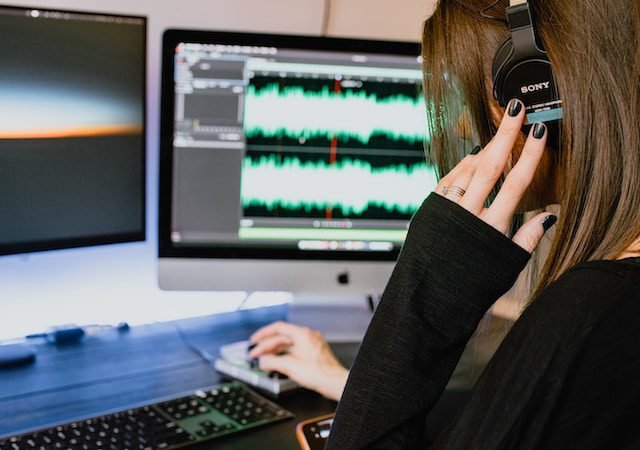
Understanding Sound Waves
Sound waves travel via various media leading to vibrations that are perceived as sound. They are capable of spreading in solids, liquids and gases, and are faster to spread in solids. Sound moves at approximately 343 meters/second in air. The velocity of sound in various media and under varying temperatures may vary and this influences how we perceive sound. This concept is crucial for exploring the top 10 interesting facts about sound and its impact on our environment.
Sound – Acoustical Properties
The acoustic properties influence the sound propagation in a space. These are sound absorption, reflections and transmission. The quality of sound depends on the character of materials and textures used, and the soft surfaces absorb sound, which leads to less noise. In comparison, reflection takes place on surfaces that are hard and this can create echoes. These acoustic differences are needed to understand about the top 10 interesting facts about sound.
Comparison Table
| Sound Fact | Interesting Detail |
| Space | No sound in vacuum |
| Water | Sound travels 4x faster |
| Solids | Best sound conductors |
| Thunder | Sound arrives after lightning |
| Dogs | Hear up to 45,000 Hz |
Auditory Perception
Auditory perception It is the way in which we perceive sound waves. It consists of converting a vibration to an electrical energy that assists us in sensing tones, pitch and rhythm. Our sense of hearing is highly acute, and we are able to differentiate sounds. By discussing the top 10 interesting facts about sound, this feeling plays a vibrant role in communication and music gratefulness.
The Effect of Sound on Feeling
Sound can greatly influence our emotions, mood and behaviour. This is observed with music, where it may induce some feelings of joy, or despair, or enthusiasm. These effects are applied in sound therapy to achieve relaxation and healing. This application points out the significance of sound beyond communication. The top 10 interesting facts about sound reveals its potential to enhance the well-being and mental health.
Sound in Technology
Sound plays an essential role in technological communication. In submarines sound is used to communicate and in medical machines to measure. These applications demonstrate the strength and usability of sound. As technology has advanced new uses of sound are being discovered and this shows the importance of sound in technology development.
FAQ
- What is the speed of sound?
Ans. A sound travels at approximately 343 meters per second in air.
- What is the impact of sound on feelings?
Ans. Sound can influence the emotions by evoking various moods.
- What are some uses of sound?
Ans. Sound has been utilized in technology in numerous ways, including sonar navigation and ultrasound medical scans, and is therefore useful.