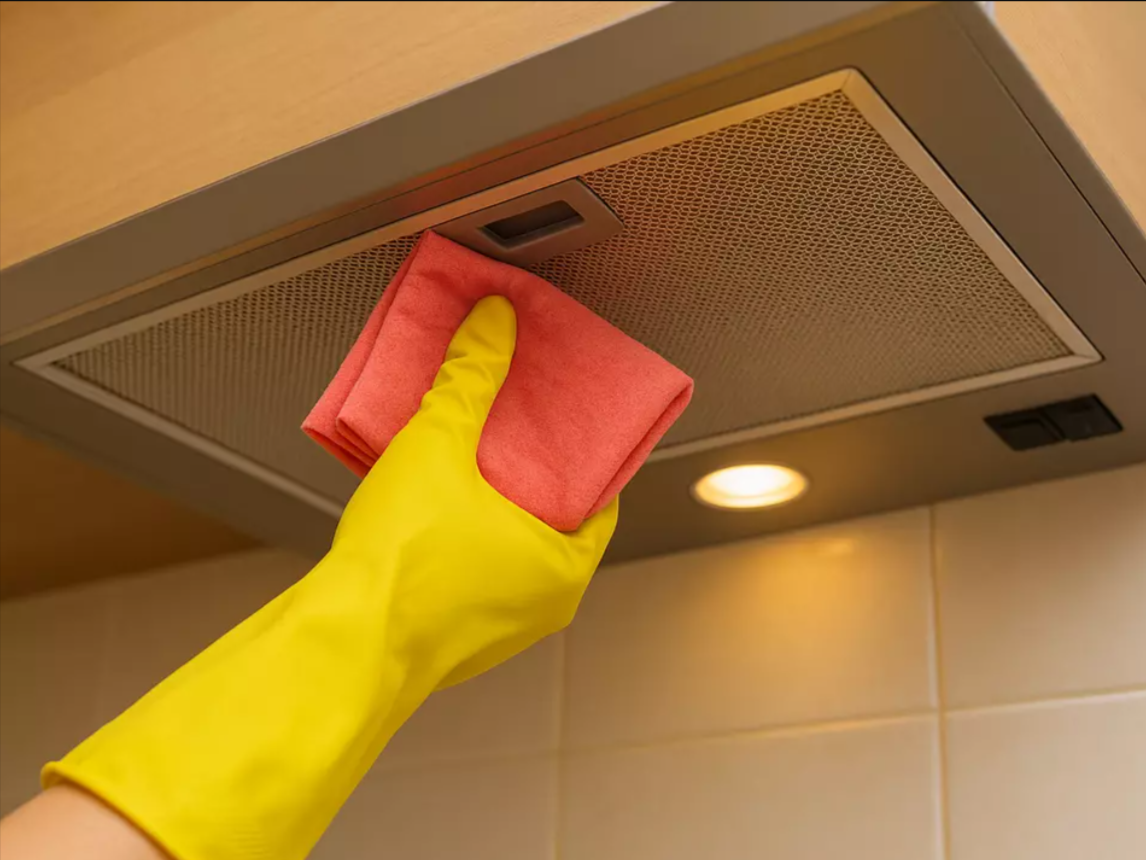
A kitchen chimney is an essential appliance that helps remove smoke, grease, heat, and cooking odors from the kitchen. Over time, oil and dirt build up inside the chimney, reducing its performance and making the kitchen look untidy. Regular cleaning is important to maintain proper airflow and increase the life of the chimney. The good news is that you can clean your kitchen chimney at home using simple household items and a little effort.
Here is a step-by-step guide to cleaning your chimney safely and effectively.
Why Chimney Cleaning is Important
During cooking, grease and oil particles stick to the chimney filters and inner surfaces. If not cleaned regularly, the chimney may:
- Lose suction power
- Produce bad odors
- Consume more electricity
- Become noisy during operation
- Increase the risk of fire due to grease buildup
Cleaning your chimney every few weeks keeps it efficient and hygienic.
Things You Need
Before starting, gather these cleaning materials:
- Dishwashing liquid
- Baking soda
- Vinegar
- Hot water
- Soft sponge or cloth
- Scrub brush
- Gloves
These items are easily available at home and work well for removing grease and dirt.
Step 1: Switch Off the Power
Safety should always come first. Turn off the chimney and unplug it from the power source before cleaning. This prevents electrical accidents and allows safe handling of the appliance.
Step 2: Remove the Filters
Most kitchen chimneys have detachable filters. Carefully remove them according to the manufacturer’s instructions. Filters usually collect the maximum amount of grease and need deep cleaning.
Place the filters in a sink or large bucket.
Step 3: Soak the Filters in Hot Water
Fill a bucket or sink with hot water and add:
- 2 tablespoons of dishwashing liquid
- 1 tablespoon of baking soda
- 1 cup of vinegar
Soak the filters in this solution for 20–30 minutes. The hot water and cleaning agents help loosen grease and stubborn oil stains.
After soaking, scrub the filters gently with a brush or sponge until clean. Rinse with clean water and let them dry completely.
Step 4: Clean the Chimney Surface
Use a soft cloth dipped in warm soapy water to wipe the outer body of the chimney. Pay extra attention to greasy areas around the buttons and edges.
Avoid using harsh scrubbers or sharp objects because they can scratch the surface.
For stubborn grease spots, apply a paste of baking soda and water, leave it for a few minutes, and wipe clean.
Step 5: Clean the Fan and Interior Carefully
If accessible, gently wipe the interior parts and fan blades using a damp cloth. Do not pour water directly inside the chimney because it can damage the motor and electrical components.
Use only a lightly damp cloth for internal cleaning.
Step 6: Reassemble the Chimney
Once all parts are completely dry, place the filters back into the chimney properly. Plug in the appliance and test it to ensure it is working smoothly.
Tips for Maintaining a Clean Chimney
- Clean filters every 15–30 days
- Wipe the outer surface weekly
- Avoid excessive oil splashes while cooking
- Use the chimney regularly during cooking
- Schedule professional servicing once or twice a year
Conclusion
Cleaning a kitchen chimney at home is simple and cost-effective when done regularly. With basic cleaning materials like vinegar, baking soda, and dish soap, you can remove grease and maintain the chimney’s performance. A clean chimney not only improves kitchen hygiene but also keeps your cooking space fresh, safe, and smoke-free. Regular maintenance ensures your chimney works efficiently for many years.