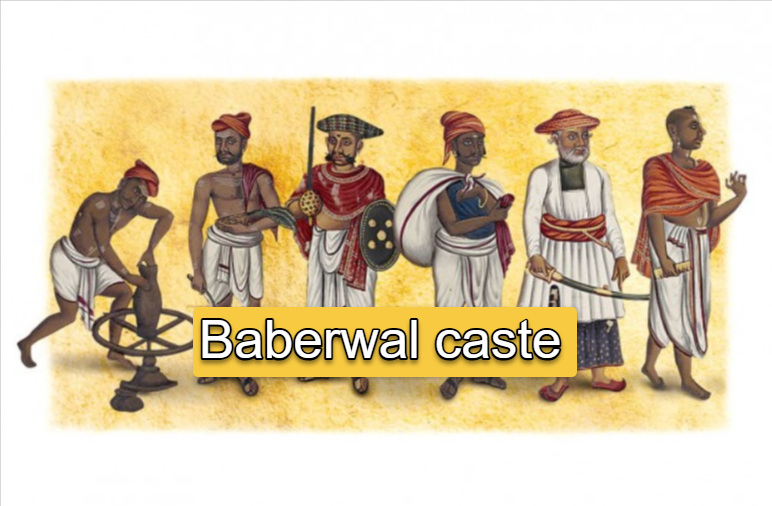
Baberwals often use Kumawat as their secondary surname. With historical roots in the region of Punjab, the Baberwal caste members have a close resemblance with the Babur Dynasty.
The Hindu Kshathriya clan belongs to the khatik Samaj. The individuals were paternally artisans who followed their ancestral trades. The gotra of the clan also includes community members like badiwal and Baderiya.
During the earlier time period, most of the people got a surname depending on their professions and geographical regions. The Mughal emperors used Babarwal to denote the ancestors of the Babur dynasty. The prevalent families of the Babur dynasty indulged in agricultural activities. They followed farming as their major occupation and spoke Punjabi as their mother tongue.
Soon after the independence of 1947, a significant number of people migrated to different parts of India and even outside the borders. The remaining Baberwal families joined government institutions and became a part of social movements. They continued to use their ancestral surname while getting indulged in different trades and professions across the country.
The Baberwal culture
Since Baberwal family members or Khattik, they reflect a mixed culture of Nepal, Pakistan and Punjab in the modern times. While the majority of the community members are Hindu, some of them are Muslims because of living in Pakistan.
Some of the Baberwals were historically butchers, daily wage labourers, fruit sellers and tanners. The population was a total mix of Muslims and Hindus which later settled in different areas after partition. During the previous centuries, Baberwals were not provided with due status and amenities in the society. They mostly worked as labourers in the British provinces and were given tasks that could be conducted from home itself.
After the Indian Independence era, Baberwals received education and became Thekedars. They could now handle their own problems while replacing the old school Panchayats. Many Baberwals built gurdwaras and temples in order to uplift their religious status. The government also participated in protecting the community by delivering many quotas and reservations.
Baberwals are most of the time non-vegetarians as they practise meat selling and butchering. They are still involved in ancestral occupations of processing and selling sheep skin for the tannery industry. Some of the individuals are scrap dealers and vegetable sellers.
The current societal positions of baberwals
In the current time period, Baberwals are recognised by most of the government agencies. They are given Obc and SC certificates which help to protect and uplift their caste. While most of the community members speak Hindi, some of them may choose a different dialect depending on their region of settlement. The hard-working and honest set of people are believers of Ganesha Shiva, Parvati, Durga, Sai and Kabir. They are now trying to improve their social status by supporting women empowerment and education schemes. The individuals are no longer untouchables and hold a respectable status in Indian society all across. Today, every single caste member recognises the importance of education and is heading towards their personal upliftment. They practice ancestral trades only in absence of education and financial resources.