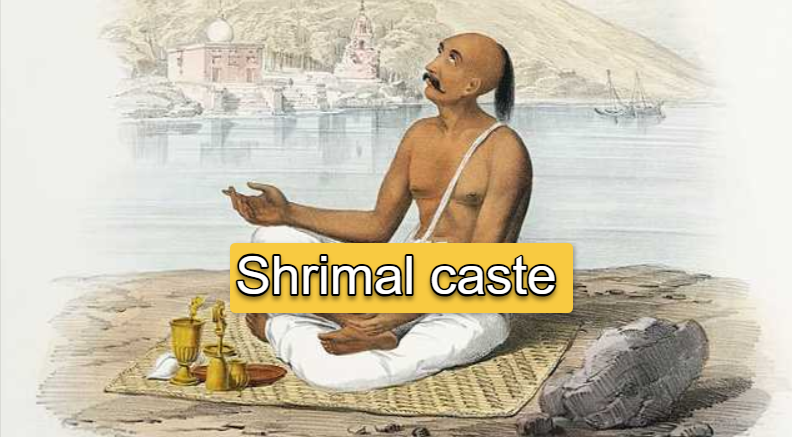
Shrimal caste is a combination of Jains and Brahmins who were the advisors of Rajput kings during the ancient times. The community derives its name from Bhinmal village which was earlier known as Shrimal Nagar. The prosperous city was famous for its trade and business affairs. It was mainly the dwelling point of rich moneylenders and merchants who worked as ministers in the Kings Court. The city had ministers who followed kings and had great treasures. The city later declined after foreign invasions and wars.
The Shrimali Brahmins are basically a division of the original Brahmin community who adopted the former surname. They follow the Shrimala Purana for their mythological beliefs and basic foundation. The community still maintains its original lineage while following their kuldevi. It worships the religious deity at every single level.
The Shrimal clan evolution
The community members were divided into multiple sub castes and branches. They mostly followed Jain culture and belonged to the Swaminarayan Vaishnava community. The current generation Shrimals are bankers, ministers, entrepreneurs and educationalists on a wide scale. The migration of the community in the areas of Gujarat and Rajasthan further added to their trading skills. They left their original Kshathriya occupations and started practising trades
The Origin of Shrimal clan and culture
The individuals who belonged to the place of Shrimal Nagar approximately 800 years ago adopted the Shrimal title. Originally, Sree means beauty and mal means place. It was after the curse of Goddess Lakshmi and Rishi Gautam that the prosperous Shrimal Nagar lost its charm. Many people then migrated to the areas of Rajasthan and Gujarat while facing intense sufferings. The Srimali Brahmins scattered in different areas later on while ensuring their existence as merchants and traders. Most of them are still vegetarians and follow the path of ahimsa very strictly. The community relates to the ancient Jains who follow the teachings of Acharya Shree Swayam Prabha SuriSwaraj Ji.
Shrimal were later involved in building temples and writing holy scripts. They made their mark in different areas of trade, politics and education. Many places of Gujarat were chosen by the community members for settlement. The caste no longer follows its ancestral trades and is ardently involved in trading activities. The spread of Jainism over the Shathriya king marks the beginning of the Shrimal culture.
Shrimals interchangeably use Oswals as their surname. They follow Goddess Laxmi as their Kuldevi. The original Oswals later on adopted the titles of Shrimal because of following the typical Jain culture instead of Bania.
Shrimal gotra and kuldevi
The later stages witnessed the division of Shrimal Brahmin culture into Kathiyawadi, marwadi, mewadi and kacchi. The community continued to create a mark in the fields of religion, literature and administration because of their impactful practices. The individuals were hereditarily intellectually and spiritually.
They followed the shrimala Purana which establishes rules and guidelines for day to day activities of the community members. The shrimals believe in regional customs and vedic life cycles. They strongly follow the Hindu marriage customs with the blessings of Goddess Mahalakshmi, whose Temple is located in Pushkar Rajasthan.