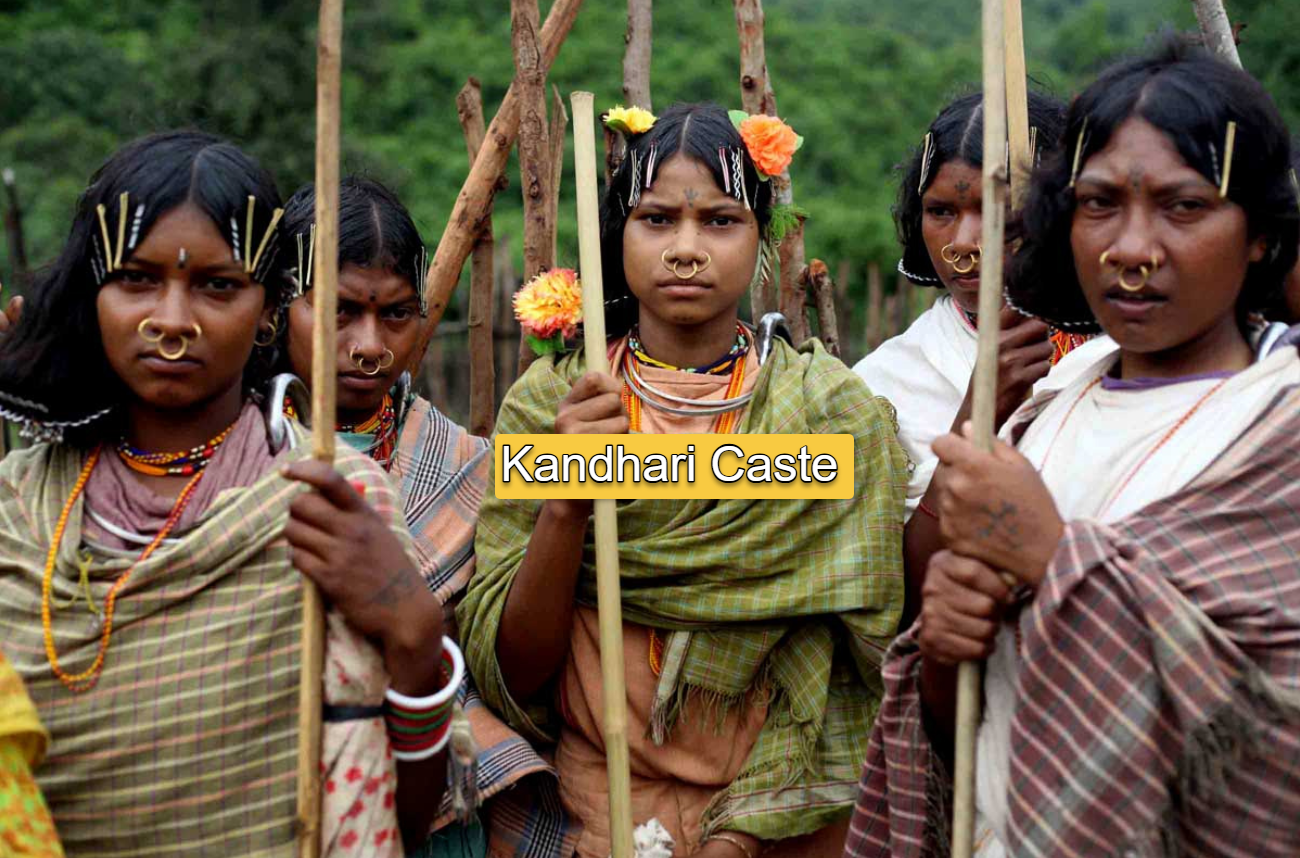
The elite class of Indians during the previous times often used the Kandhari Caste in order to reflect their origin – Kandahar province of Afghanistan. Categorised as a general caste of Hindus, the Kandhari Samaj members are now recognised to be a major part of Indian industries. They were forever educated and held a high status in the Indian caste communities.
The Indo Afghanistan descendants have a multicultural effect on the caste. They follow the cultures of Hindu and Sikhs together. The immigrants of Afghanistan have a close linkage with trade and military services.
The typical Kandhari Caste culture
The mix of Punjabi and Pakistani culture, Kandhari Khatris have till date preserved their rich culture and food habits. They significantly hold positions of accountants, tax collectors, zamindars and revenue managers. Majority of the sections of the cast follow Hinduism whereas some of them believe in Islam and Sikhism.
The languages spoken by the Kandhari clan vary according to their regional preferences. The minorities are engaged in speaking Dogri, kutchi, Sindhi and Urdu whereas the major part of the sect prefers to speak in Punjabi and Hindi. The original Kandharis of Punjab used the Gurmukhi script to derive their mother tongue. It was a Punjabi language script that was invented during the mediaeval era by Guru Angad.
Kandhari Caste professions and livelihood methods
Kandharis always took trade and education seriously. Hence, they always had a superior holding when it came to financial matters and learning. They were dominantly found practising professions like trading and banking. The late mediaeval period witnessed many Kandhari members holding their ancestral lands and practising agriculture. They were the ones who made good livelihoods through the production of silk and other expensive yarns. As a matter of fact, some of the caste members were also weavers of Punjab who took their trades and professions to a good level.
Kandhari in today’s time period
In the current time period, most of the Kandhari caste members have settled in the local societies of India. They still maintain their cultural roots while significantly contributing to the chosen profession. Earlier, the caste members mostly spoke Kandhari language which eventually evolved into Punjabi after their migration. The individuals brought businesses from different areas of Europe, Middle East and Africa. They worshipped Sufi saint Saibaba and heavily adopted the culture of Punjab.
Final words
The mercantile community of Afghanistan lives in different parts of India, specifically in Punjab and north-western areas. The individuals are tied to their cultural patterns and have massive geographical impact in their languages and trading activities. Around 20% of the kandhari population lives in Maharashtra and the rest is scattered in Delhi, Punjab, Haryana and Uttar Pradesh. The Punjabi speaking community follows the traditional Punjabi Khatri rituals which reflect a mixture of Sikhism and Hindu elements. They have similar pre-wedding and post-wedding observances like Sagai, Godh bharai, Kanyadaan and vidai just like the typical Hindu traditions. The Kandhari Samaj believes in fulfilling every custom and ritual with the blessings of their Kuldevi and elder family members. They are preachers of nonviolence and are hailed as one of the most powerful, prosperous and peaceful communities in India.