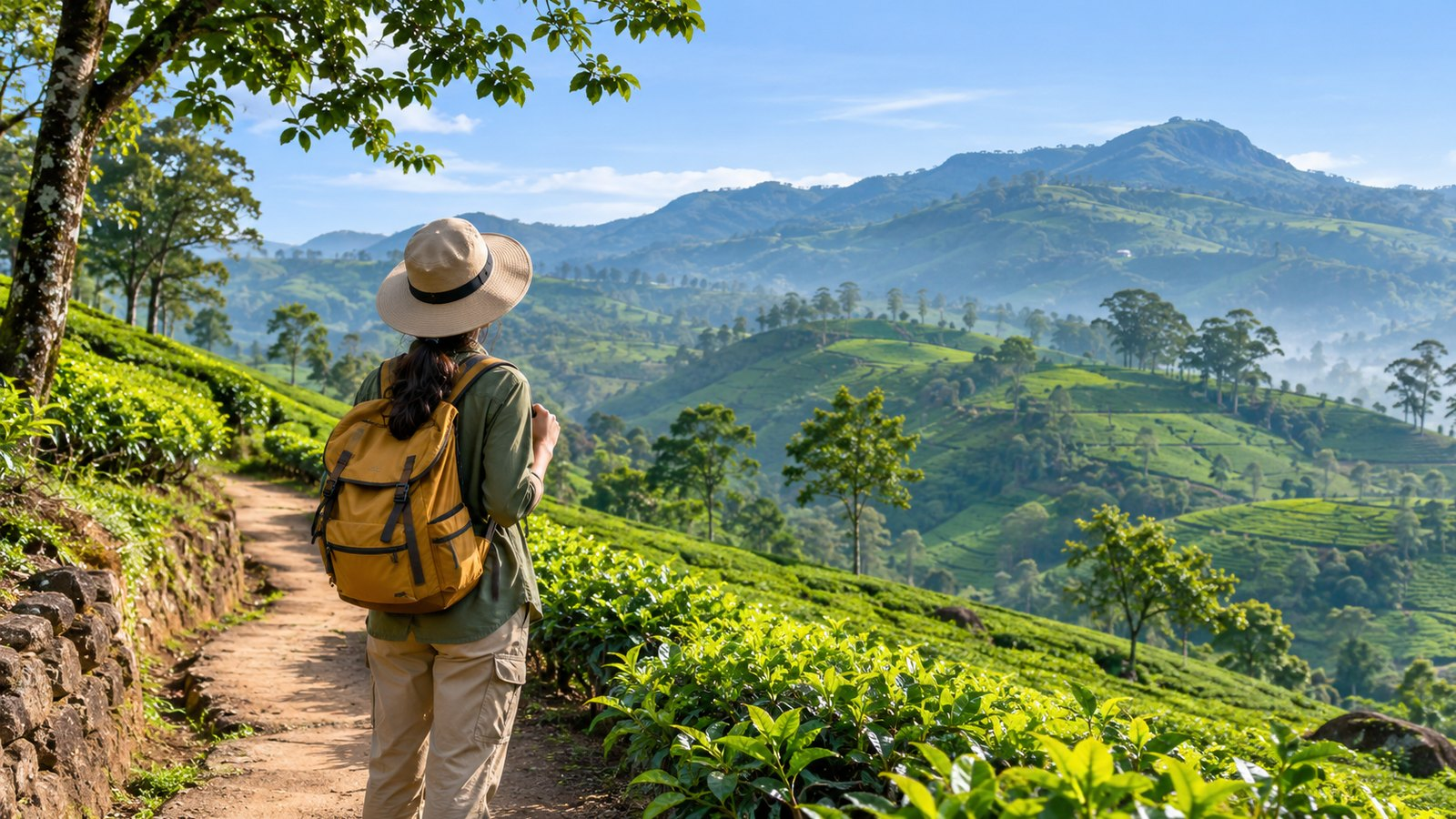
Sri Lanka offers ancient landmarks, green hills, sandy beaches and plenty of ways to spend time outdoors. However, the weather can be very different from one part of the island to another. Choosing the right travel months makes it easier to explore historic sites, enjoy coastal activities and walk through the hill country.
This guide explains which seasons suit different experiences, so you can plan your holiday around what interests you most.
Why The Travel Season Depends on the Region
The best time to visit Sri Lanka depends largely on where you want to go. Two monsoon patterns affect different parts of the island, which means rain on one coast does not always mean poor weather everywhere.
Generally, December to March suits the south and west coasts and much of the hill country.
April to September is more suitable for eastern beach destinations. These are useful planning windows, not guarantees of clear skies. Conditions can change, especially during the months between monsoons.
December to March: Explore the South and West
These months are a practical choice for travellers who want sightseeing and time by the sea on the same trip. The south and west usually have more favourable beach weather, making it easier to combine outdoor visits with relaxed afternoons.
Discover Galle and the Southern Coast
Spend time exploring Galle’s historic streets before heading towards the beaches. Bentota is another option for seaside relaxation and activities on the water, subject to local conditions. Choose early morning or late afternoon for walking when the sun is less intense.
Rather than changing hotels every night, stay in one area long enough to explore its surroundings comfortably.
December to March: Enjoy the Hill Country
The highlands offer cooler conditions than Sri Lanka’s coastal towns. Kandy and Nuwara Eliya suit travellers interested in greenery, mountain scenery and unhurried sightseeing. You can explore local attractions, enjoy scenic drives and make time for short walks.
The evenings may feel chilly in higher areas, so pack a light jacket. Rain and mist can still affect visibility, especially at viewpoints. Keep your plans flexible instead of scheduling every outdoor stop for a fixed hour.
April to September: Head Towards the East Coast
For a beach-focused holiday during these months, consider the east rather than assuming the entire island will be wet. The seasonal pattern generally favours eastern coastal areas, while the southwest experiences its main monsoon.
Depending on sea conditions and local availability, your outdoor plans can include:
- Swimming: Visit supervised beaches where conditions are safe.
- Snorkelling or diving: Choose qualified operators for water activities.
- Seaside walks: Enjoy relaxed afternoons near the water.
Check local advice before booking water activities. Even during a favourable season, rough seas or sudden showers can change what is possible on a particular day.
Plan Historic Sightseeing Around the Heat
Sri Lanka’s well-known attractions include Sigiriya and Dambulla, both suitable for travellers interested in history and culture. Unlike a beach trip, visits to these sites depend as much on daily temperature as on the season.
Plan outdoor sightseeing for the morning wherever possible. April can be particularly hot, so carry drinking water, wear a hat and allow breaks between visits. A slower schedule works better for families and older travellers than trying to cover several major attractions in one afternoon.
October and November: Keep Outdoor Plans Flexible
October and November can bring unsettled weather, including heavy showers and thunderstorms. They are less dependable for a tightly packed itinerary built around beaches, hikes and long drives.
That does not mean sightseeing is impossible. Choose a few priority attractions, check the forecast daily and leave room to change the order of activities. Indoor visits, local food experiences and shorter outings can fill gaps when rain interrupts the day.
Match Your Holiday Plans to the Season
Before choosing a Sri Lanka tour package, decide which experiences matter most. A route covering several regions may need more flexibility than a holiday based in one coastal town.
- Beaches and water activities: Prefer the south and west from December to March, or the east from April to September.
- Hill scenery and walks: Consider December to March, while allowing for cooler evenings and mist.
- Historic attractions: Plan visits early in the day and avoid long walks in strong afternoon heat.
- Mixed itineraries: Allow travel time between regions and keep a backup plan for rainy days.
Final Thoughts
Sri Lanka offers experiences year-round, but the most suitable months vary with your travel route. December to March suits southern beaches, western coastal stops and hill country sightseeing. April to September gives travellers more options along the east coast.
Historic sites can be visited in different seasons with sensible daily planning. Check local weather before departure, build in breaks and choose activities that fit the conditions rather than forcing a fixed schedule.