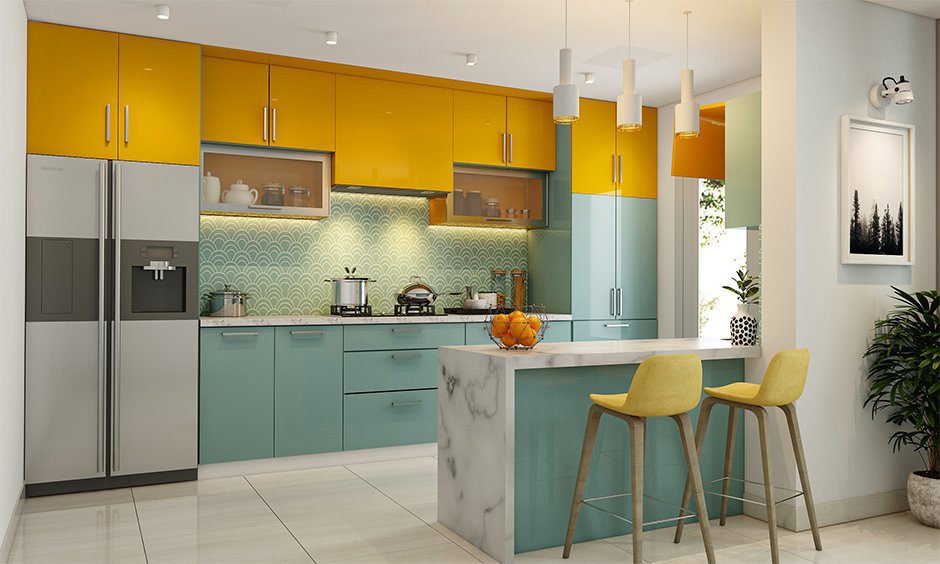
Kitchens and bathrooms face some of the toughest day-to-day conditions in a home: steam, splashes, humidity, constant wiping down. And yet when people plan these spaces, almost all the attention goes to cabinet colours, countertop stone, tile patterns. What’s underneath the surface barely comes up in conversation, which is usually why a kitchen that looked flawless on handover day starts showing swollen cabinet doors near the sink two or three years in, or shutters that begin peeling at the edges. It’s rarely a design mistake. It’s almost always a material that was never built to sit next to water in the first place.
Whether you’re renovating a flat in Mumbai, building a house in Hyderabad, or fitting a modular kitchen in Bangalore, the material choices you make early on decide how long the whole thing actually holds up.
Things to Look for When Selecting Moisture-Resistant Materials
1. Sort the core board out before you even look at finishes
A laminate or acrylic finish looks identical on day one whether the board behind it is decent or not. The real difference only starts appearing after a couple of years, when poor-quality core materials begin to swell, warp, or peel and by then, repairs are often far more expensive.
2. Sink cabinets and utility units need BWP plywood
Boiling Water Proof (BWP) plywood holds up in spots that see water regularly. The waterproof adhesive used in it keeps it from swelling the way an ordinary board would after repeated soaking.
3. HDHMR works fine where it’s steam, not standing water
High-Density High Moisture Resistant (HDHMR) board is denser than the regular engineered stuff, handles humidity and termites better, and still finishes smooth enough for modular cabinetry. It’s a reasonable middle option for areas that mostly deal with steam rather than actual leaks.
4. Bathroom vanities and under-sink units call for PVC
These spots stay damp almost permanently. PVC board is completely waterproof and barely needs any upkeep, worth using here even if you’re going with something else in the rest of the kitchen.
5. Choose the finish based on wear, not how it looks under showroom lighting
High-Pressure Laminate takes stains, scratches and steam well and doesn’t complain about daily use. Acrylic looks sleeker and glossier and handles humidity too, but you’ll need to keep after it a bit more to hold that shine. Pick based on how much strain the surface is actually going to take.
6. Don’t let the edges and sealing be an afterthought
Cabinets rarely fail through the middle of a panel. They fail at the joints, a seam that wasn’t sealed properly, a gap left around a pipe, an edge that never got banded right. This is the step installers skip most, and it’s the one that decides whether your cabinets are still fine a decade from now.
7. Not every cabinet needs the same treatment
The one under the sink deals with real leaks and gets cleaned constantly. The one above the stove mostly just takes steam. A vanity beside a shower is exposed to humidity throughout the day, while a shoe cabinet in the hallway faces none of those conditions. Put BWP or PVC where the risk is genuinely high, and use HDHMR everywhere else; it’s a smarter way to spend the budget than using one board across the whole house.
8. The layout has to work with the material, not fight it
Even a good board can only do so much if the space around it doesn’t help. Ventilation, plumbing access, enough clearance near wet areas, storage that doesn’t trap damp air, get these wrong and you undo half the benefit of choosing the right material in the first place. This is usually the part that separates an experienced designer from someone just picking finishes off a catalogue: they’ve thought through how each corner of the room actually gets used before deciding what goes there.
Your City’s Climate Matters More Than You Think
A humid Mumbai monsoon, a Hyderabad summer that bakes tiles dry and then floods them again during the rains, a Bangalore kitchen where the weather barely announces itself but the moisture still finds a way in through steam and daily cooking, the risks look different city to city, but the underlying problem is the same everywhere: what’s inside the cabinet matters more than what’s painted or laminated on top of it.
In Bengaluru specifically, where a lot of homes are going up as compact, all-in-one modular kitchens, this becomes even more relevant. Tighter layouts mean less airflow around cabinets by default, so the material choices underneath end up carrying more weight than they would in a larger, better-ventilated home. If you’re weighing up the best interior design company in Bangalore, this is worth paying attention to, not just how the kitchen looks, but whether anyone’s thought about what’s underneath it. Bonito Designs takes this route, working out moisture-resistant boards, sealing, ventilation and wet-zone placement at the planning stage rather than fixing it later, based on how the household actually cooks and cleans day to day.
Conclusion
Moisture damage rarely happens overnight. It builds up slowly, which is why the decisions made before a kitchen or bathroom is installed matter far more than the finishes you see on day one. Choosing the right boards, using durable finishes where they make sense, and paying attention to sealing, ventilation, and layout can help your interiors stay functional for years.
And if you’re comparing interior designers in HSR Layout or in other areas of Bengaluru, ask each one the same thing: not what the cabinets will look like, but where the material’s coming from and how it’ll hold up in the spots that see the most water.
A well-designed kitchen isn’t just one that looks good when it’s handed over; it’s one that continues to perform just as well long after you’ve started living in it.